| Availability: | |
|---|---|
| Quantity: | |
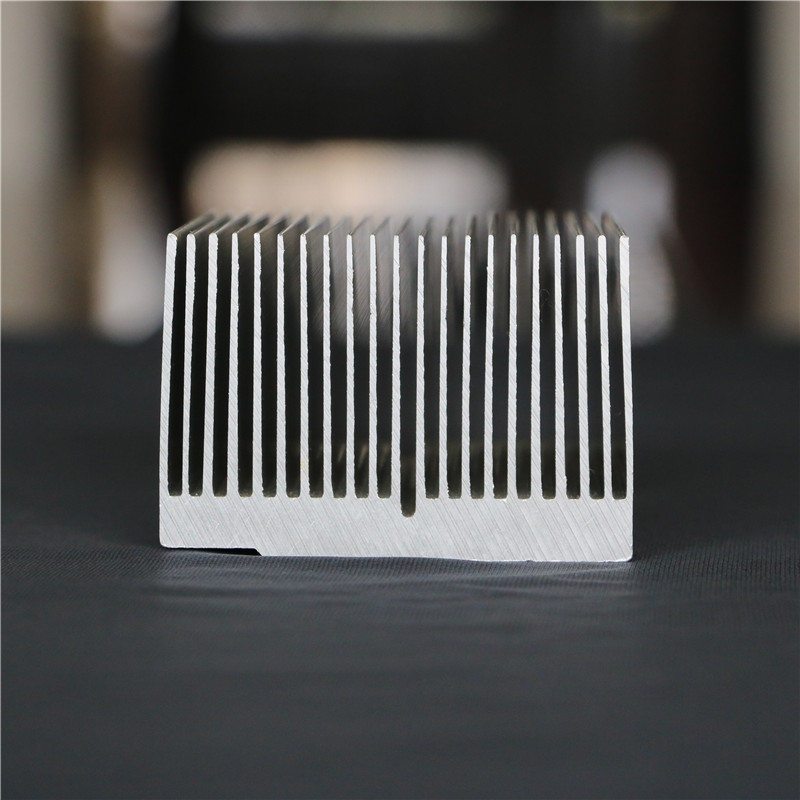
Aluminum heat sinks are designed to transfer heat away from electronic and electrical power devices and maintain a more stable operating temperature. The product range covers several radiator structures, including finger radiators, extruded profile radiators, insert radiators and casting radiators. Each structure provides a different combination of surface area, shape flexibility and integration method.
Cooling can be configured around natural convection, forced-air cooling or liquid cooling using water or oil. Cold-plate and heat-pipe radiator concepts are also available for thermal systems that require a different heat-transfer path. Heat sink selection can be matched to the device layout, heat generation, mounting method and available space within the equipment.
For power devices and power modules, the heat sink can be designed around the component installation method so the heat-generating surface can be connected effectively to the radiator structure.
Product Type | Aluminum heat sink / radiator thermal solution |
|---|---|
Radiator Structures | Finger radiator, extruded profile radiator, insert radiator and casting radiator |
Cooling Methods | Natural cooling, forced-air cooling and liquid cooling |
Liquid Cooling Media | Water or oil |
Additional Cooling Concepts | Cold plate and heat pipe radiator |
Primary Function | Heat dissipation from electronic and electrical power devices |
Selection Factors | Heat load, device mounting, available space and cooling method |
Typical Components | Electronic devices, high-power devices and power modules |
Aluminum heat sinks are used in electronic and electrical systems where generated heat must be transferred from the component to a larger cooling surface.
Electronic products: thermal control for components installed on boards, housings or dedicated mounting surfaces.
High-power devices: radiator structures selected according to heat generation and available cooling conditions.
Power modules: heat sinks for modules that require direct or through-hole mounting to a cooling surface.
Natural-convection systems: passive cooling where airflow is provided by surrounding air movement.
Forced-air systems: finned radiator structures used together with fan airflow.
Liquid-cooled systems: water- or oil-based cooling layouts, cold plates or heat-pipe structures where required.
Alumag supports aluminum extrusion together with precise cutting, CNC machining, milling, drilling and tapping, allowing heat sink profiles to be converted into installation-ready components.
Heat sink geometry and secondary machining can be developed around the equipment layout, mounting requirements and customer drawing instead of being limited to a single standard form.
Material quality is controlled before production, while key dimensions can be measured during processing and before shipment to support consistent fit within the final assembly.
Surface treatment and finished-product assembly are available as part of Alumag's broader aluminum-processing capability, supporting projects that require multiple processing steps.
Available radiator concepts include finger, extruded profile, insert and casting heat sinks.
Natural cooling, forced-air cooling, water or oil liquid cooling, cold plates and heat pipes can be considered according to the thermal design.
Heat generation, component mounting, available installation space and the selected cooling method are the main design factors.
Yes. CNC machining, cutting, milling, drilling and tapping can be used to add mounting holes, interfaces and other finished features.
Yes. The heat sink range is applicable to electronic products, high-power devices and power modules that require dedicated heat dissipation.