Tel:+86-512-53640771-125 E-mail: export@alumag.com.cn
- All
- Product Name
- Product Keyword
- Product Model
- Product Summary
- Product Description
- Multi Field Search

Views: 0 Author: Site Editor Publish Time: 2026-11-05 Origin: Site


Why do seamless tubes cost more time and money? This pressing issue frustrates many procurement managers and engineers today. While welded and seamless metal tubing might look identical on the surface, their manufacturing journeys are vastly different. Solid metal requires complex extrusion steps. Welded variants, on the other hand, rely on continuous sheet rolling.
In non-ferrous metals like aluminum, this production process directly dictates the final structural integrity. Therefore, the extended timeline required to produce a high-quality Seamless Aluminum Tube is not a delay. Rather, it is a necessary investment. It creates a product with unparalleled strength, pressure resistance, and reliability. These are essential attributes for high-stakes industries where failure is not an option.
Recent market analyses reveal a massive shift in industrial procurement. Global demand for high-performance seamless tubing is surging. This growth is primarily driven by advancements in the aerospace sector, deep-sea exploration, and the rapid expansion of electric vehicle thermal management systems. As engineering tolerances become stricter, manufacturers prioritize structural reliability over rapid procurement.
Market data indicates that despite extended production timelines and higher initial costs, industries increasingly specify seamless configurations. They do this to mitigate the risk of catastrophic system failures. This shift underscores a broader industrial consensus. The time invested in seamless manufacturing directly translates to lifecycle longevity and safety.
Understanding the production timeline differences requires a fundamental look at metallurgy and mechanical engineering. Here are the core empirical facts regarding tube manufacturing:
Process Complexity: Seamless tube production involves heating, piercing, and extruding a solid metal billet. This foundational process is inherently slower and more energy-intensive than continuous roll-forming.
Cooling and Treatment: Seamless tubes require extensive cooling, cold drawing, and annealing processes. These steps achieve precise dimensional tolerances through multiple reduction passes.
Structural Integrity: The complete lack of a longitudinal weld seam eliminates standard weak points and heat-affected zones. This makes seamless tubes the most conservative and reliable choice for high-pressure environments.
Application-Driven Choice: Welded tubes serve effectively for low-stress structural projects. However, the extra time taken to produce seamless variants makes them indispensable for demanding uses.
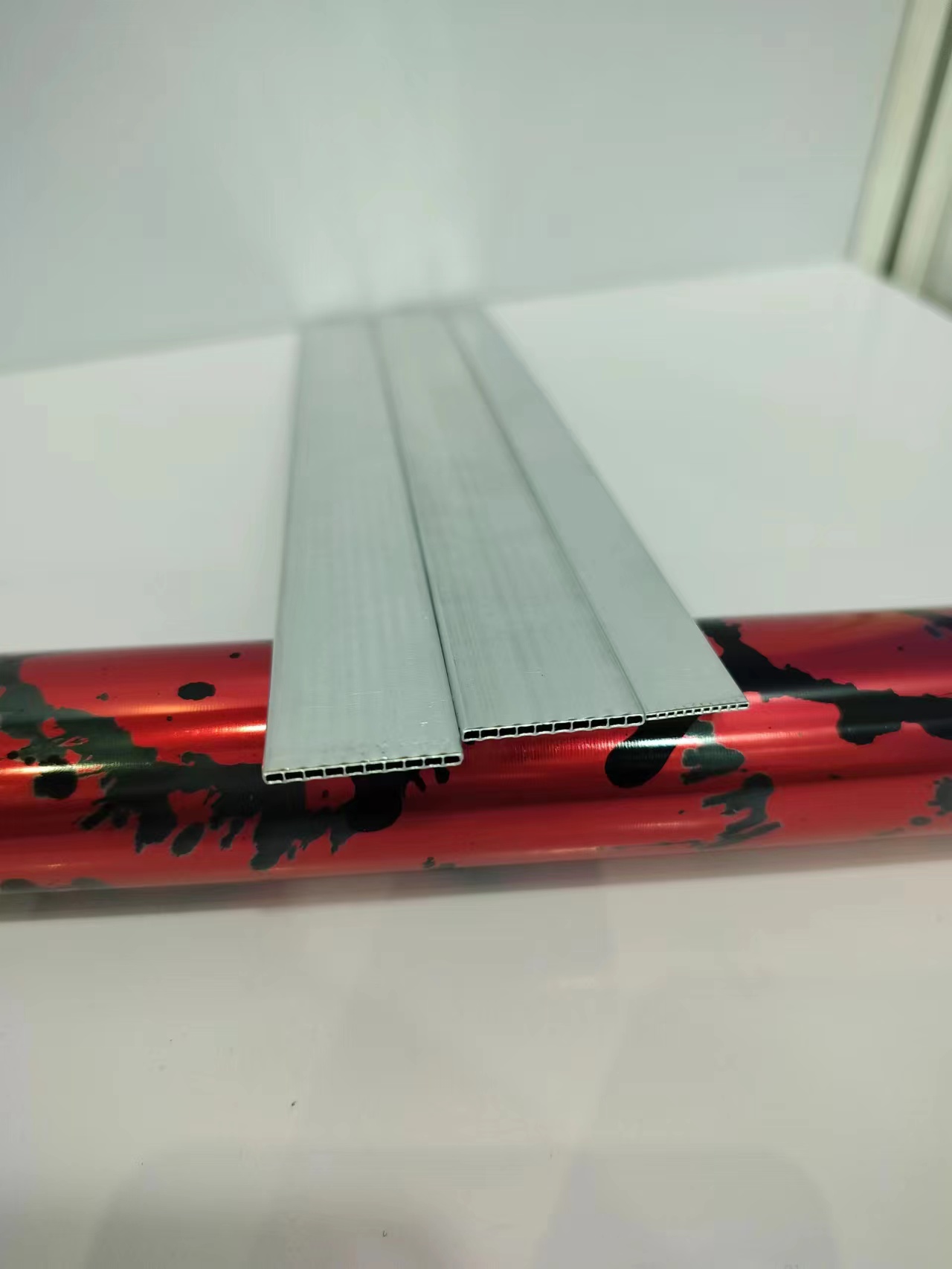
To understand the timeline discrepancy, one must contrast the foundational philosophies of both manufacturing methods. The fundamental difference lies in topology. Specifically, welded tubes transform a two-dimensional sheet into a three-dimensional cylinder. In contrast, seamless tubes hollow out a solid three-dimensional block.
Welded tube manufacturing is explicitly designed for high-throughput efficiency. The process begins with massive coils of flat sheet metal loaded onto a continuous automated production line. As the metal uncoils, it passes through a series of progressively contoured rollers. These rollers rapidly cold-form the flat sheet into a cylindrical shape.
Once the edges meet, a welding apparatus fuses the seam together. Because this operation occurs on a single uninterrupted line, factories can churn out thousands of feet of tubing per hour. Ultimately, the speed is limited only by the welding mechanism capacity to maintain a consistent arc and fusion depth.
Conversely, the seamless approach is a discontinuous batch-oriented procedure. It does not start with a convenient flat sheet. Instead, it begins with a solid cylindrical block of cast metal known as a billet. Transforming this dense block into a hollow tube without introducing any seams requires massive mechanical force. It also demands extreme thermal manipulation and multiple distinct stages.
The metal must be heated to a precise plastic state, pierced through its center, and then elongated. Furthermore, each of these steps requires separate heavy machinery, transit time between stations, and rigorous temperature control. This multi-stage handling fundamentally caps the speed at which seamless products can be manufactured.
The production of seamless tubing is a highly calibrated metallurgical procedure. Breaking down the individual steps reveals exactly where the manufacturing hours are spent on the factory floor.
Before any forming can begin, raw aluminum billets must be cut to specific lengths. Technicians thoroughly clean them to remove surface impurities. The billet is then transferred to a preheating furnace. Unlike steel, aluminum possesses a relatively narrow temperature window. It must become sufficiently malleable for extrusion without melting or losing its alloy characteristics.
Heating a dense solid block evenly to its core takes significant time. If an operator rushes this and heats the metal unevenly, it can cause internal thermal stresses. This often leads to catastrophic failure during the extrusion phase. Therefore, the heating process must be gradual and strictly monitored.
Once the billet reaches the target temperature, technicians move it to the extrusion press. A heavy mechanical ram forces the heated aluminum against a die. Simultaneously, a piercing mandrel is driven through the center of the solid billet. The immense pressure forces the plasticized aluminum to flow through the annular space between the die and the mandrel. This forms the initial hollow shape.
This extrusion step is a slow and highly controlled mechanical process. Should the ram speed be too fast, the resulting friction will generate excess heat. This potentially degrades the metallurgical properties of high-performance alloys like 6061 or 7075, or causes severe surface tearing.
The tube that emerges from the extrusion press is rarely the final product. It is typically oversized and lacks the precise tolerances required for engineering applications. The extruded shell must cool before it undergoes cold drawing. During this phase, heavy machinery pulls the tube through a smaller external die while an internal plug maintains the inside diameter.
This action reduces the tube dimensions while simultaneously improving its surface finish and mechanical strength through work hardening. Creating a precision thin wall tube with an outer diameter tolerance of plus or minus 0.05 millimeters requires multiple passes through progressively smaller drawing machines. Between each pass, the metal often becomes too brittle. It must be thermally annealed in a furnace to restore ductility. These alternating cycles of drawing, cleaning, and annealing add days or even weeks to the overall production schedule.
To make the procurement decision clearer, engineers rely on hard data. The table below outlines the practical differences between the two manufacturing methods.
Feature | Seamless Tube | Welded Tube |
|---|---|---|
Production Lead Time | 8 to 14 weeks (requires extrusion, drawing, annealing) | 2 to 4 weeks (continuous automated roll forming) |
Pressure Rating | Exceptionally high (uniform hoop strength) | Moderate to high (limited by weld seam integrity) |
Wall Thickness Limits | Can achieve ultra-thick walls for heavy-duty applications | Limited by the thickness of the source sheet metal |
Initial Cost | Higher (due to energy and labor-intensive processes) | Lower (highly efficient mass production) |
Best Engineering Fit | Aerospace, high-pressure hydraulics, volatile fluid transfer | Structural framing, handrails, low-pressure water systems |
When comparing timelines, it is essential to look at the specific efficiencies that welded tube manufacturing leverages to achieve its rapid output.
Modern manufacturing lines can produce welded tubes at a blistering pace. Output often exceeds hundreds of feet per minute. Because the material starts as a uniform flat strip, the wall thickness is already established by the sheet metal supplier. The roll-forming machinery simply bends the material.
The continuous nature of this process means there is no need to stop and load individual billets. Factories do not wait for core heating or transfer materials between entirely different types of heavy machinery.
By completely bypassing the heating, piercing, and drawing of solid billets, welded tube manufacturers drastically cut down manufacturing hours and energy consumption. There is no need for heavy hydraulic extrusion presses or the complex tooling required to hollow out solid metal.
However, while this process is undeniably fast, the presence of the longitudinal weld seam introduces metallurgical differences. The weld area undergoes a localized melting and rapid cooling cycle. This creates a Heat-Affected Zone. This zone possesses a different grain structure than the parent material, which engineers must account for in subsequent load calculations.
For procurement managers, the decision to accept longer lead times hinges on whether the performance benefits of seamless tubing justify the wait. In many engineering contexts, the answer is an unequivocal yes.
The primary advantage of seamless tubing is its homogeneous microstructure. The absence of a weld seam means the tube exhibits uniform strength and metallurgical properties around its entire circumference. In a pressurized system, the internal forces push outward uniformly, creating hoop stress.
In a welded tube, the weld seam and its adjacent Heat-Affected Zone can act as stress concentrators. Under extreme pressure or cyclic fatigue, these areas are historically the most likely points of failure. Seamless tubes lack this inherent vulnerability. They can withstand significantly higher internal burst pressures without failing, providing a much higher margin of safety.
Certain sectors operate under strict regulatory standards where material failure can result in catastrophic consequences. Aerospace, high-pressure hydraulics, nuclear power, and deep-sea chemical processing rely heavily on seamless technology.
Consider the rigorous requirements of an aviation aluminum pipe. Aircraft components are subjected to extreme temperature fluctuations, high-frequency vibrations, and severe pressure differentials. Aerospace engineers willingly accept the longer lead times and higher costs associated with seamless aluminum to guarantee absolute reliability. The consistent grain structure ensures predictable performance under stress. This is a non-negotiable requirement for flight-critical hardware.
Beyond pressure ratings, the manufacturing origin of the tube dictates how the material will behave under secondary processing. The differences become glaringly apparent during bending, machining, and surface finishing operations.
Tube bending is a high-stress mechanical operation. Whether utilizing rotary draw bending or precision mandrel bending, the material is subjected to immense physical forces. The outer radius stretches under tension, while the inner radius compresses.
If a welded tube is bent, the longitudinal weld seam and its surrounding Heat-Affected Zone possess a slightly different yield strength compared to the base metal. During a tight radius bend, this metallurgical inconsistency can cause the seam to wrinkle, flatten, or even fracture. To mitigate this risk, fabricators must carefully orient the weld seam to the neutral axis of the bend. This adds labor time and complicates multi-axis bending projects. Conversely, a seamless tube features a completely homogeneous grain structure. It yields uniformly under tension and compression, allowing for tighter bend radii and entirely eliminating the need for seam orientation.
Secondary machining operations and surface treatments also reveal the hidden history of the metal. In environments prone to chemical exposure or moisture, corrosion resistance is paramount. The Heat-Affected Zone in welded tubes can sometimes exhibit different electrochemical potentials than the rest of the tube. This potentially leads to localized galvanic corrosion along the seam.
Furthermore, surface treatments like anodizing in non-ferrous metals highlight these differences. The altered crystalline structure within a weld seam often reacts differently to electrochemical anodizing baths. This can result in a visible discoloration or a distinct stripe along the length of the tube. Seamless tubes, however, anodize uniformly. They provide an unblemished and consistent oxide layer that offers superior corrosion resistance and aesthetic appeal.
Selecting the appropriate tubing requires a pragmatic assessment of the project operational demands, budget constraints, and delivery schedules. While production timelines are crucial, they should never supersede structural integrity.
Welded tubes are highly efficient and structurally sound for a vast array of applications. Modern Electric Resistance Welding has improved their quality significantly. They are the logical and cost-effective choice for structural supports, scaffolding, and architectural frameworks. They also excel in commercial furniture frames, handrails, and fencing. Engineers frequently specify them for low-pressure fluid transfer systems like standard water distribution. Ultimately, they fit projects where budget optimization and rapid delivery are the absolute top priorities, and operational stresses fall well within the material safety margins.
High-stakes engineering environments demand the absolute reliability that only the seamless extrusion and drawing process can provide. You should specify seamless tubes when the cost of failure far outweighs the initial procurement cost and lead time. They are strictly recommended for high-pressure gas and hydraulic lines. They are mandatory for aerospace and aviation components. Precision instrumentation requiring exact concentricity relies on them. Applications requiring a highly durable and fatigue-resistant microchannel cooling tube also necessitate seamless manufacturing. By evaluating these parameters, buyers realize that paying for the extra production time upfront often prevents costly mechanical failures, system downtime, and maintenance liabilities down the line.
The stark disparity in lead times often generates misunderstandings in the procurement sector. Clarifying these misconceptions is vital for accurate project planning.
A frequent myth is that seamless tube manufacturers suffer from outdated technology or inefficient factory logistics. In reality, the extended timeline is a direct reflection of rigorous metallurgical transformation and mandatory quality control. The laws of thermodynamics dictate exactly how fast a solid aluminum billet can be heated, extruded, and cooled without destroying its internal crystalline structure. The time taken is a calculated investment in material science, not a symptom of operational inefficiency.
Advancements in welding technology have undoubtedly narrowed the performance gap. In standard static tensile tests, a high-quality welded tube will often perform exceptionally well. However, static tensile strength is not the same as dynamic fatigue resistance.
The welding process inherently creates a Heat-Affected Zone. Under dynamic and cyclic loading, the transition zone between the base metal and the Heat-Affected Zone acts as a stress riser. In environments subjected to continuous vibration, thermal cycling, or pressure spikes, seamless tubing remains the undisputed standard for ultimate long-term reliability.
Ultimately, seamless tube production requires significantly more time due to the complex multi-stage extrusion and cold-drawing processes necessary to hollow out a solid billet. Solid metal must be heated, pierced, and drawn with meticulous care. This rigorous journey creates products with exceptional strength, uniform grain structure, and unparalleled safety.
While welded tubes offer undeniable advantages in speed and lower upfront costs for structural applications, seamless options decisively win in high-pressure and critical environments. Evaluate your project specific stress limits, pressure requirements, and safety margins before making a choice.
If your application demands zero compromises, you need a manufacturing partner who understands precision metallurgy. Explore the high-performance tubing solutions at Alumag Aluminum to find the perfect seamless fit for your engineering needs. Our team is ready to help you specify the exact alloy and dimensions for your next critical project.
The cost disparity is a direct result of the energy-intensive and multi-stage manufacturing process. Producing a seamless tube requires massive hydraulic extrusion presses to pierce and push a solid metal billet through a die. This consumes significantly more energy than roll-forming flat sheet metal. Additionally, the subsequent cold drawing phases require specialized lubrication, precise tooling, and intermediate thermal annealing. These stringent quality control measures collectively drive up the manufacturing cost.
Generally, no. Aviation and aerospace applications operate under strict regulatory frameworks that demand the highest possible strength-to-weight ratios and absolute reliability. Aircraft components endure severe cyclic loading, extreme temperature differentials, and constant vibration. A weld seam introduces a metallurgical discontinuity that serves as a potential initiation point for fatigue cracking. Substituting a welded tube in these environments compromises safety margins and violates industry compliance standards.
Yes, producing a seamless tube with a very thin wall adds considerable time to the manufacturing cycle. A thin wall cannot be extruded directly from a solid billet in a single step due to excessive friction. Instead, manufacturers must extrude a thicker mother tube and subject it to multiple passes through a cold drawing machine. Because drawing hardens the metal, the tube must be thermally annealed between passes to restore ductility. Each cycle adds days to the overall lead time.
While exact timelines fluctuate based on global supply chains and specific factory workloads, seamless tube production typically requires significantly more time. A standard order of welded tubes might be processed and shipped in 2 to 4 weeks, as the continuous roll-forming process is highly automated. In contrast, seamless tube production generally ranges from 8 to 14 weeks to account for billet preparation, slow-speed extrusion, multiple cold drawing passes, and rigorous non-destructive testing.
Absolutely. High-pressure hydraulic systems experience frequent pressure spikes and mechanical shocks. Seamless tubes lack a longitudinal weld seam, meaning they do not have a localized Heat-Affected Zone that could act as a weak point. This uniform hoop strength allows seamless tubes to handle significantly higher burst pressures and resist fatigue failure far better than their welded counterparts.
The decision comes down to operating pressure, safety factors, and secondary processing. If your tubing will carry volatile fluids, operate under high pressure, or undergo severe bending and flaring, seamless is the required standard. If the tubing is merely structural, aesthetic, or handles low-pressure water, welded tubing offers a faster and more cost-effective solution.