Tel:+86-512-53640771-125 E-mail: export@alumag.com.cn
- All
- Product Name
- Product Keyword
- Product Model
- Product Summary
- Product Description
- Multi Field Search

Views: 0 Author: Site Editor Publish Time: 2025-11-26 Origin: Site


Magnesium Alloy is light, but it corrodes fast. Moisture and salt make the problem worse. Many industries need both low weight and long life. This post shows which treatments work best, when to use them, and how to combine them for stronger protection in engineering, electronics, and automotive products.
Chemical conversion coatings form a thin protective layer on the surface, and it reacts quickly once the alloy touches the chemical bath. The layer reduces corrosion by blocking moisture, salt, and acids, and it also prepares the surface for other coatings. Industries choose this method because it is low cost, scalable, and effective for many product shapes. It remains one of the most common first steps in surface preparation, and it works well for both small electronics and large structural parts.
Key Benefits
● Creates a uniform protective film
● Improves durability in humid or salty environments
● Supports later painting or powder coating
● Works for high-volume production lines
Typical Conversion Coatings
● Chromate coatings
● Zirconium-based or phosphate-based non-chromate coatings
● Titanate alternatives for eco-focused applications
Chromate systems deliver strong protection because they form a stable, self-healing layer, and this feature slows corrosion even after minor damage. They offer high salt spray performance, often above 500 hours, and they tolerate temperature changes well. However, many regulations restrict them because of environmental concerns, and industries must follow strict compliance rules.
Non-chromate systems rely on zirconium, phosphate, or rare-earth chemistries, and they meet modern environmental standards more easily. They tend to provide lower protection than chromates, but they still support many consumer goods where cost and compliance matter. Manufacturers use them when they need RoHS-safe products, or when sustainability becomes a brand priority.
Feature | Chromate Coating | Non-Chromate Coating |
Salt Spray Resistance | High (500+ hours) | Medium (300–400 hours) |
Environmental Compliance | Low | High |
Paint Adhesion | Strong | Strong |
Cost | Moderate | Low |
Best For | Aerospace, automotive | Consumer goods, electronics |
Process control shapes final performance, and small differences create noticeable changes in corrosion protection. Film thickness matters because thin films may not block moisture well, and extremely thick films can crack under stress. Bath chemistry determines reaction speed, coating color, and layer density. Surface activation ensures uniform bonding, and it removes oxides, oils, and machining dust before the reaction begins.
Critical Factors to Monitor
● Bath pH and temperature
● Immersion time
● Pre-cleaning and activation quality
● Rinse cycle control
● Post-drying method
These steps improve consistency in automated manufacturing lines, and they limit rejected parts.
Conversion coatings create microscopic roughness, and it helps paint or powder coating grip the surface more tightly. The layer also stabilizes surface energy, making it easier for the next coating to spread evenly. This prevents early peeling, bubbling, or flaking, and it also increases coating life in outdoor environments. Many industries rely on this synergy because paint alone cannot protect magnesium alloy for long periods.
Aerospace companies use conversion coatings for structural parts, and they combine them with anodizing or epoxy layers to handle extreme weather cycles. Electronics manufacturers apply non-chromate coatings to housings, frames, and brackets because these parts must stay lightweight, clean, and compliant with global safety regulations. Consumer goods brands treat suitcase frames, bicycle components, and handheld tools using low-cost coatings, and they finish them with powder coatings for color and scratch resistance.
Common Applications
● Laptop frames and internal brackets
● Automotive steering brackets and pedal frames
● Aerospace housings and lightweight covers
● Outdoor sports and travel equipment
Conversion coatings provide basic protection, but they are not perfect. Porosity creates tiny pathways that moisture can enter, lowering long-term corrosion resistance. They also scratch easily because the film is thin, and it cannot resist strong abrasion alone. The process requires several steps, including cleaning, activation, coating, rinsing, and drying, and errors in any step weaken performance. This makes operator skill and process control critical for reliable results.
Conversion coatings act as a foundation, and engineers often combine them with anodizing or powder coating for stronger protection. This multi-layer approach improves corrosion resistance by two to three times, and it also gives the product a tougher exterior. Powder coating adds impact resistance, while anodizing builds a dense oxide barrier. Metallic coatings—such as electroless nickel—can also be used when the part must survive salt-heavy or industrial environments. Each additional layer solves a weakness in the previous one, and the combined system meets the needs of high-value products in automotive, electronics, and aerospace fields.
Hard anodizing creates a dense oxide layer on the surface, and it increases both wear resistance and corrosion strength. The process uses controlled electrolytic reactions, and it forms a thick shell that protects the alloy from salt, humidity, and abrasion. Industries rely on it because the resulting layer stays bonded to the metal, and it maintains performance even under harsh temperature cycles. It supports automotive brackets, aerospace housings, and structural parts exposed to mechanical stress. Many manufacturers choose it for heavy-duty environments, and they appreciate the predictable lifespan.
Decorative anodizing focuses on appearance and moderate protection, and it produces thinner layers than hard anodizing. It creates a smooth surface that accepts dyes well, giving bright, clean colors used in electronics or travel accessories. Many brands prefer this approach because it improves the feel of the product while keeping weight low. It works for laptop frames, camera bodies, and sporty accessories. The process gives the surface a consistent finish, and it handles repeated handling without fading quickly.
Anodizing forms a controlled oxide structure, and it builds a barrier that moisture cannot easily pass. The oxide layer develops tiny pores during formation, and these pores later help during dyeing or sealing. The dense lower layer, often called the barrier layer, resists corrosion by blocking chemical reactions. It also slows down ion movement, and that reduces the rate of corrosion in salty or humid areas. This microstructure improves adhesion for any additional coatings, and it strengthens surface hardness.
Layer | Description | Benefit |
Barrier Layer | Dense, non-porous oxide | Blocks corrosion pathways |
Porous Layer | Controlled open pores | Allows dyeing and sealing |
Surface Finish | Final treated layer | Enhances appearance and wear |
Dyeing adds pigments into the pores, and it gives products a wide color range used in electronics or lifestyle goods. The color becomes part of the oxide layer, and it resists fading better than normal paint. Sealing closes the pores after dyeing, and it reduces water absorption. It improves corrosion performance by shrinking pathways that moisture may enter. Layer thickness also affects heat resistance, flexibility, and chemical durability. Engineers adjust thickness based on the final use, and they consider weight, appearance, and mechanical load.
Design Optimization Examples
● Thin layers for light electronics
● Medium layers for outdoor gear
● Thick layers for industrial or automotive parts
Anodizing can struggle on thin-walled parts, and it may produce uneven thickness or weak spots. Complex shapes also create challenges because electrical current flows unevenly around corners or deep holes. These regions may show patchy oxide layers, and they lose corrosion protection faster. High-precision electronics housings sometimes require extra surface preparation to reduce these issues. Engineers often pair anodizing with conversion coatings or organic finishes when they face difficult shapes. It helps stabilize performance, and it fills in areas where anodizing alone cannot build sufficient protection.
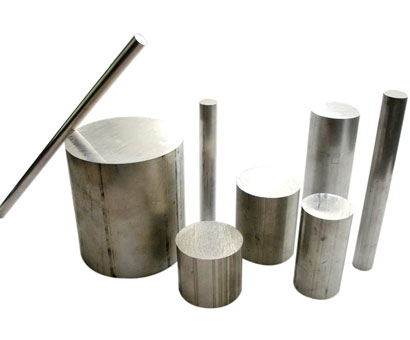
Powder coating forms a tough exterior layer on magnesium alloy, and it protects the surface from chips, scratches, and daily impact. The coating melts and flows during curing, and it creates a continuous film that blocks moisture and debris. Many manufacturers select this method for travel gear, electronics frames, and light industrial parts because the finish stays stable under repeated handling. It also offers consistent color, good gloss options, and reliable adhesion on complex shapes.
Epoxy coatings offer strong corrosion resistance, and they seal the surface tightly. It works well in environments that contain oils, cleaning chemicals, or industrial vapors. Polyurethane coatings provide better flexibility, and they resist UV light and outdoor exposure. Engineers choose between these materials depending on the final use, and they can adjust thickness to increase durability. Each material offers a useful balance of hardness, abrasion resistance, and long-term moisture control.
Organic coatings adhere more reliably when they sit on top of conversion layers, and the underlying surface helps stabilize the film. The conversion layer reduces surface reactivity, and it prevents underfilm corrosion. It also creates microscopic texture, and that helps the organic coating grip the surface. This combination improves durability in humid or salty regions, and it increases coating lifespan during mechanical vibration.
Layer | Function | Benefit |
Conversion Layer | Surface stabilization | Better adhesion |
Organic Layer | Corrosion and impact barrier | Long-term durability |
Organic coatings undergo several tests before approval, and these tests evaluate real-world durability. Salt spray tests measure how long the coating delays corrosion in harsh conditions, and many systems reach several hundred hours under controlled exposure. Adhesion ratings show how firmly the coating stays bonded after cutting or pulling tests. UV durability tests reveal how sunlight changes gloss or color. These evaluations help engineers choose the right coating, and they ensure stability in daily use.
Electroless nickel plating creates a uniform metal layer on magnesium alloy, and it covers shapes that standard electroplating cannot reach. The process coats internal features, tight corners, and deep cavities, and it does so without electrical current. It forms a hard surface that resists wear, chemicals, and moisture. Many electronics and precision manufacturers use it because the plating thickness stays consistent across all areas. It improves dimensional stability, and it supports high-value parts that require tight tolerances.
Thermal spray aluminum protects magnesium alloy by applying molten aluminum droplets, and it creates a thick metallic layer designed for harsh environments. TSA works well in marine or industrial settings where salt exposure accelerates corrosion. The aluminum forms a sacrificial barrier, and it corrodes slowly to protect the underlying magnesium. TSA also tolerates high temperatures, and it performs well on large machinery or structural components. It fits industries that need long-term outdoor durability.
Zinc and aluminum sacrificial coatings work by corroding first, and they protect the magnesium alloy beneath. This method uses galvanic principles, and it diverts corrosion away from the valuable component. The coating slowly degrades, and it delays damage to the alloy. Industries use this approach when they require predictable, long-term protection in wet or polluted environments. It offers good cost efficiency, and it pairs well with additional sealing layers to extend life.
Coating Type | Mechanism | Best Use |
Zinc | Sacrificial corrosion | Moderate humidity |
Aluminum | Slow sacrificial action | High-salt exposure |
Metallic coatings require careful preparation because adhesion problems appear when the surface is not cleaned well. Some processes may introduce hydrogen into the alloy, and it increases the risk of cracking or brittleness. Engineers also consider cost because metallic coating systems are more expensive than conversion or organic coatings. TSA and nickel plating need specialized equipment, and they fit high-value components rather than mass-produced items. Each coating type also reacts differently to heat, stress, and contamination, and this requires tight process control to avoid defects.
Aluminum-rich magnesium alloys, such as AZ31 and AZ61, improve corrosion resistance by forming a more stable oxide layer. The added aluminum reacts quickly on the surface, and it creates a tighter, more protective film. This layer slows moisture penetration, and it reduces pitting in humid or salty environments. These alloys also offer better strength-to-weight ratios, and they balance mechanical performance with corrosion control. Manufacturers use them for consumer housings, lightweight brackets, and structural electronics parts.
Zinc improves strength and stabilizes grain boundaries, and it reduces localized corrosion spots. Manganese helps clean impurities inside the alloy, and it limits galvanic activity between internal phases. Rare earth elements, including cerium or yttrium, refine grain size and enhance film compactness during oxidation. These elements improve resistance in high-temperature or aggressive environments, and they create smoother surfaces once polished. Engineers adjust these materials depending on performance requirements, and they choose blends that improve both durability and processing stability.
AE44, a well-known automotive alloy, uses aluminum and rare earth elements to create a strong, corrosion-resistant structure. It performs well under vibration and heat, and it remains stable around underbody components. Electronics-grade alloys include magnesium blends designed for thin housings, and they use aluminum and zinc to resist daily wear. These alloys support laptops, cameras, and handheld devices because they stay light and durable. Many manufacturers rely on them to maintain appearance and reduce early surface degradation.
Alloying improves baseline corrosion resistance, but it rarely protects the metal fully in coastal or industrial conditions. Magnesium remains highly reactive, and it still forms micro-pits when exposed to moisture. Engineers often combine alloying techniques with conversion coatings, anodizing, or powder coating, and these layers add stronger barriers. Complex shapes also need surface treatments because internal cavities corrode faster. Multi-layer systems extend service life, and they match the performance required in automotive, aerospace, and consumer electronics applications.
Tip: Alloying reduces corrosion risk, but pairing it with a surface coating delivers far stronger, long-lasting protection for magnesium components.
Layered treatments offer stronger protection in every environment. No single method is enough, and combined systems improve performance by two to three times. Strong alloys and precise surface engineering give long-term stability for magnesium parts. Alumag supports this need through reliable materials and solutions that help products stay durable and efficient.
A: Conversion coatings, anodizing, and organic layers each help protect Magnesium Alloy surfaces from moisture and salt.
A: It creates a dense oxide layer that strengthens Magnesium Alloy and improves wear and corrosion resistance.
A: Yes, powder and epoxy coatings add strong barriers that extend the lifespan of Magnesium Alloy components.
A: Yes, but nickel and TSA coatings offer higher durability, making them valuable for high-exposure Magnesium Alloy parts.