Tel:+86-512-53640771-125 E-mail: export@alumag.com.cn
- All
- Product Name
- Product Keyword
- Product Model
- Product Summary
- Product Description
- Multi Field Search

Views: 0 Author: Site Editor Publish Time: 2025-10-28 Origin: Site


Aluminum Composite Material (ACM) is a type of material that consists of two thin layers of aluminum enclosing a non-aluminum core. This combination creates a lightweight, durable, and versatile material commonly used in construction, signage, interior applications, and even transportation industries. As technology has progressed, aluminum materials like ACM have become increasingly popular due to their incredible strength-to-weight ratio, sustainability, and wide range of applications.
This article explores aluminum composite material, its manufacturing process, properties, and applications. Additionally, we’ll examine how aluminum material has revolutionized industries, including the aluminum extrusion profile sector and its relationship with sustainability. The article also delves into the aluminum profile manufacturing process and the production of aluminum foil, aluminum tubes, and other components, shedding light on their specific uses and fusion temperatures.
Aluminum Composite Material (ACM) refers to a versatile building material composed of two thin sheets of aluminum enclosing a non-aluminum core, typically made from polyethylene or a mineral-based core. The combination of these components results in a highly durable, lightweight, and aesthetically appealing material.
ACM sheets are widely used for external cladding, signage, facades, and interiors in buildings, as they offer several advantages such as:
Durability: Resistant to corrosion, weathering, and UV degradation, making it ideal for outdoor use.
Lightweight: Despite its strength, it is significantly lighter than traditional building materials like steel or concrete.
Aesthetic Flexibility: Available in various colors, finishes, and textures, providing design flexibility.
The basic structure of ACM consists of the following:
Aluminum Sheets: These are the outer layers of the composite material. Aluminum material provides strength, rigidity, and resistance to corrosion.
Core Material: The inner layer, typically made from polyethylene (PE) or a fire-resistant mineral core, helps to enhance the insulation properties and the overall strength of the material.
ACM is widely used in applications where a combination of strength, lightweight, and visual appeal is required.
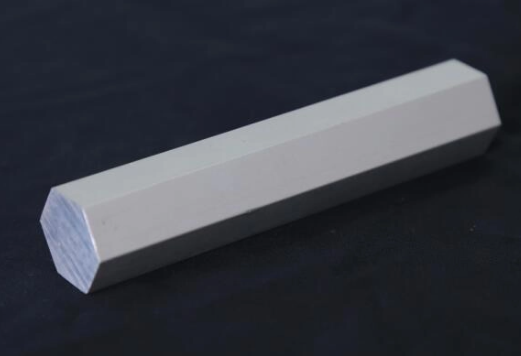
The process of making aluminum composite material involves several steps:
Preparation of the Aluminum Sheets: The outer aluminum layers are prepared by cleaning, coating, and anodizing the metal to ensure its durability and resistance to corrosion.
Core Production: The core material is selected based on the desired characteristics, with polyethylene being the most common choice for standard ACM applications. In some cases, mineral-based cores are used to improve fire resistance.
Bonding Process: The aluminum sheets are then bonded to the core material using advanced adhesive technology, typically involving a high-pressure lamination process.
Cutting and Shaping: Once the composite material is formed, it is cut into panels of the required size, which can be further shaped and finished to suit the application.
Finishing: The final step involves applying protective coatings or finishes to the panels, ensuring they are ready for installation and can withstand external weather conditions.
Aluminum composite material has gained popularity due to its wide array of benefits:
Lightweight and High Strength: The lightweight nature of ACM makes it easier to handle and install, while its composite structure ensures it remains highly durable and resistant to physical stresses.
Aesthetic Versatility: ACM can be produced in a variety of finishes, such as glossy, matte, or textured, making it ideal for design-focused applications like architectural facades and signage.
Corrosion Resistance: One of the key properties of aluminum material is its resistance to corrosion, which is vital for outdoor applications. Aluminum’s natural oxide layer protects it from environmental elements, ensuring longevity.
Sustainability: The manufacturing process of aluminum extrusions used in ACM is highly energy-efficient, and aluminum is one of the most recyclable materials, promoting sustainability in construction and other industries.
Easy Maintenance: The smooth surface of ACM is easy to clean and maintain, reducing long-term maintenance costs.
ACM finds applications across several industries, particularly where durability, aesthetics, and lightweight properties are essential. Some common uses include:
Architectural Cladding and Facades: ACM is a popular choice for exterior building cladding, providing a sleek and modern finish that is both durable and visually striking.
Signage: Due to its excellent printability and durability, ACM is often used for both indoor and outdoor signage.
Interior Design: ACM panels are used for creating stylish and functional interior walls, ceilings, and partitions.
Transport and Vehicles: Aluminum composite material is used in the construction of transport vehicles, including buses, trains, and even airplanes, due to its lightweight and strength properties.
Industrial Applications: ACM is also used in various industrial applications, such as creating work surfaces, kitchen countertops, and protective barriers.
An aluminum extrusion profile refers to a section of aluminum that has been formed through the process of extrusion, where aluminum billets are pushed through a die to create a continuous profile. Aluminum extrusions are often used in a variety of structural and architectural applications, from windows and doors to frames and railings.
The manufacturing of aluminum extrusions follows a precise process:
Heating: Aluminum billets are heated to a specific temperature, usually around 400°C-500°C, to make the material malleable.
Extrusion: The heated billet is then pushed through a die to form the desired profile. This allows for the creation of complex shapes with consistent cross-sections.
Cooling and Cutting: After extrusion, the material is cooled and cut into the required lengths.
Finishing: The profiles are then subject to finishing processes such as anodizing or powder coating to enhance their corrosion resistance and aesthetic appeal.
The aluminum extrusion profile process is critical in creating components for industries such as construction, automotive, and electronics.
Sustainability has become a crucial factor in the production of aluminum extrusions, and manufacturers are focusing on producing sustainable aluminum extrusions that are both energy-efficient and recyclable. Aluminum is one of the most sustainable materials available, as it can be recycled indefinitely without losing its properties. This makes it an environmentally friendly choice for construction and other applications.
Moreover, advances in aluminum extrusion profile technology have led to the development of more energy-efficient manufacturing methods, reducing the carbon footprint of production processes.
In addition to aluminum composite material, aluminum foil and aluminum tubes are also essential components in a wide range of industries.
Aluminum Foil: Aluminum foil is a thin sheet of aluminum that is rolled to a specific thickness. It is commonly used for packaging, insulation, and cooking. Its ability to resist moisture, bacteria, and light makes it an ideal material for food storage.
Aluminum Tubes: Aluminum tubes are cylindrical sections of aluminum extrusions, used in various applications such as the manufacturing of medical devices, cosmetics packaging, and structural components.
Both aluminum foil and aluminum tubes benefit from the inherent properties of aluminum, including corrosion resistance, lightweight, and strength.
One of the important factors to consider in aluminum manufacturing is the aluminum fusion temperature, which refers to the temperature at which aluminum transitions from solid to liquid. The fusion temperature of aluminum material is around 660°C. This temperature plays a key role in processes like casting, welding, and extrusion, where precise control of the temperature ensures the material is processed correctly.
Understanding the aluminum fusion temperature is essential for ensuring the proper handling and processing of aluminum in various manufacturing applications.
The main components of aluminum composite material are two thin sheets of aluminum that enclose a non-aluminum core, typically made from polyethylene or a mineral-based substance.
Aluminum composite material offers several benefits, including its lightweight nature, durability, corrosion resistance, aesthetic versatility, and ease of maintenance.
Aluminum extrusion profiles are produced by heating aluminum billets to a malleable state and then forcing them through a die to form continuous profiles. The extrusions are then cut and finished to meet the required specifications.
Aluminum foil is primarily used in packaging, insulation, and food storage, while aluminum tubes are used in industries such as cosmetics, medical devices, and structural components.
Aluminum composite material is sustainable because it uses aluminum, which is highly recyclable. Additionally, aluminum extrusion profiles and other components are produced through energy-efficient processes.