What Is 7000 Series Aluminum
Definition of 7000 series aluminum
7000 series aluminum refers to a family of wrought aluminum alloys whose primary alloying element is zinc (Zn).
In practical engineering classification, 7000 series aluminum is widely recognized as one of the highest-strength aluminum material groups available for structural and mechanical applications.
Unlike pure aluminum or low-alloy aluminum materials, 7000 series alloys are specifically designed for:
From a material engineering perspective, 7000 series aluminum belongs to the category of heat-treatable aluminum material.
Why 7000 series aluminum is important in modern industry
Modern industries such as aerospace, transportation, precision machinery and high-performance equipment require materials that combine:
Compared with commonly used aluminum materials such as the 5000 series and 6000 series, 7000 series aluminum offers significantly higher tensile and yield strength, which makes it suitable for highly stressed parts where weight reduction is critical.
Typical reasons engineers select 7000 series aluminum include:
replacement of steel in weight-sensitive structures
higher strength requirements than standard aluminum material can provide
excellent performance in precision machined components
Overview of global standards for aluminum material
In international engineering and global supply chains, aluminum products are usually specified and verified according to standardized systems.
One of the most widely adopted systems is the ASTM Aluminum Material standard system published by
ASTM International.
For 7000 series aluminum, ASTM standards define:
chemical composition limits
mechanical property requirements
product forms such as plates, bars, tubes and extrusions
This allows buyers and engineers to clearly control material quality and ensure global consistency.
Classification of Aluminum Materials and the Position of 7000 Series
Overview of aluminum alloy series (1xxx–8xxx)
Wrought aluminum materials are commonly classified into different series according to their main alloying elements:
1xxx – commercially pure aluminum
2xxx – aluminum-copper alloys
3xxx – aluminum-manganese alloys
4xxx – aluminum-silicon alloys
5xxx – aluminum-magnesium alloys
6xxx – aluminum-magnesium-silicon alloys
7xxx – aluminum-zinc-magnesium (and copper) alloys
8xxx – special or multi-element alloys
Each series is developed for a different balance of strength, formability, corrosion resistance and cost.
Where 7000 series aluminum fits in aluminum material systems
Within the full aluminum material system, 7000 series aluminum occupies the high-strength segment.
Its most distinctive position is:
higher strength than 6000 series aluminum material
comparable or even higher strength than many 2000 series alloys
excellent strength-to-weight ratio
For this reason, 7000 series aluminum is frequently classified as high-strength or ultra-high-strength aluminum material.
Relationship between 7000 series aluminum and ASTM aluminum material standards
In many international projects, customers directly specify 7000 series aluminum products using:
These standards clarify:
which 7000 series grade is supplied
what heat treatment condition is required
what mechanical properties must be achieved
Therefore, in global procurement, 7000 series aluminum is usually linked very closely to ASTM Aluminum Material requirements.
Chemical Composition of 7000 Series Aluminum
Main alloying elements
The core alloying system of 7000 series aluminum is based on:
Zinc (Zn) – primary strengthening element
Magnesium (Mg) – improves age-hardening response
Copper (Cu) – further increases strength in some grades
The combined Zn-Mg or Zn-Mg-Cu system enables very high precipitation strengthening after heat treatment.
Secondary and trace elements
In addition to the main elements, small amounts of the following elements are often added:
chromium (Cr)
zirconium (Zr)
manganese (Mn)
These elements mainly help:
Typical chemical composition range
Although the exact composition varies by grade, 7000 series aluminum generally shows:
This composition design is the fundamental reason why 7000 series aluminum achieves much higher mechanical strength than common aluminum material.
Composition differences between 7000 series and other aluminum materials
Compared with:
6000 series aluminum material – mainly Mg and Si, optimized for extrudability and moderate strength
5000 series aluminum material – mainly Mg, optimized for corrosion resistance
7000 series aluminum contains significantly more zinc and more complex alloying systems, which directly leads to higher strength but also higher processing sensitivity.
Common Grades of 7000 Series Aluminum
Overview of popular 7000 series aluminum grades
Common commercial grades include:
Among them, 7075 and 7050 are particularly well known as representative high-strength aluminum materials.
Key differences among major 7000 series grades
Different 7000 series grades mainly differ in:
zinc, magnesium and copper content
corrosion resistance level
toughness and stress corrosion cracking performance
For example:
Selection guide for different aluminum material applications
Typical selection logic includes:
high load structural parts → higher-strength grades
extruded profiles requiring better formability → extrusion-friendly grades
thick plates and critical components → grades with better fracture toughness
Mechanical Properties of 7000 Series Aluminum
Tensile strength and yield strength
One of the most important characteristics of 7000 series aluminum is its very high tensile and yield strength.
After proper heat treatment, its strength level can be close to, or even exceed, some low-carbon steels while remaining much lighter.
This makes it one of the most competitive aluminum material choices for lightweight structural design.
Hardness and fatigue performance
7000 series aluminum generally exhibits:
This is particularly important for:
Fracture toughness characteristics
Compared with standard aluminum material, some 7000 series grades are specially designed to improve fracture toughness, especially for thick plates and critical safety components.
However, fracture toughness varies greatly between different grades and temper conditions.
Property comparison with other aluminum materials
From a mechanical performance perspective:
7000 series aluminum > 6000 series aluminum material in strength
7000 series aluminum > 5000 series aluminum material in strength
7000 series aluminum is comparable to or higher than many 2000 series alloys
Physical and Functional Properties
Density and weight advantages
The density of 7000 series aluminum is very close to that of standard aluminum materials, typically around:
This allows engineers to significantly reduce weight while achieving very high mechanical strength.
Thermal conductivity
Compared with pure aluminum, the thermal conductivity of 7000 series aluminum is lower due to its complex alloying system.
However, it still remains suitable for many mechanical and structural applications where heat transfer is not the primary function.
Electrical conductivity
Electrical conductivity is also lower than that of pure aluminum or low-alloy aluminum material.
Therefore, 7000 series aluminum is not usually selected for electrical conductor applications.
Corrosion behavior of 7000 series aluminum
One important functional characteristic is that 7000 series aluminum can be:
This is why proper alloy selection and heat treatment are critical.
Heat Treatment and Temper Conditions
Why heat treatment is critical for 7000 series aluminum
7000 series aluminum is a typical precipitation-hardening aluminum material.
Without heat treatment, its strength advantage cannot be fully realized.
Typical temper designations
Common tempers include:
T6 – solution heat treated and artificially aged for maximum strength
T73 – over-aged for improved stress corrosion resistance
T74 – optimized compromise between strength and corrosion resistance
Influence of heat treatment on mechanical properties
Different tempers can cause significant changes in:
tensile strength
yield strength
toughness
corrosion resistance
Therefore, the temper condition is as important as the alloy grade itself.
Relationship between temper conditions and ASTM aluminum material requirements
In ASTM aluminum material specifications, the temper condition is always clearly defined together with:
This ensures that supplied 7000 series aluminum products meet the exact performance expected by the design.
Manufacturing Forms of 7000 Series Aluminum
Extruded profiles
7000 series aluminum can be produced into various complex cross-section profiles for structural and mechanical assemblies.
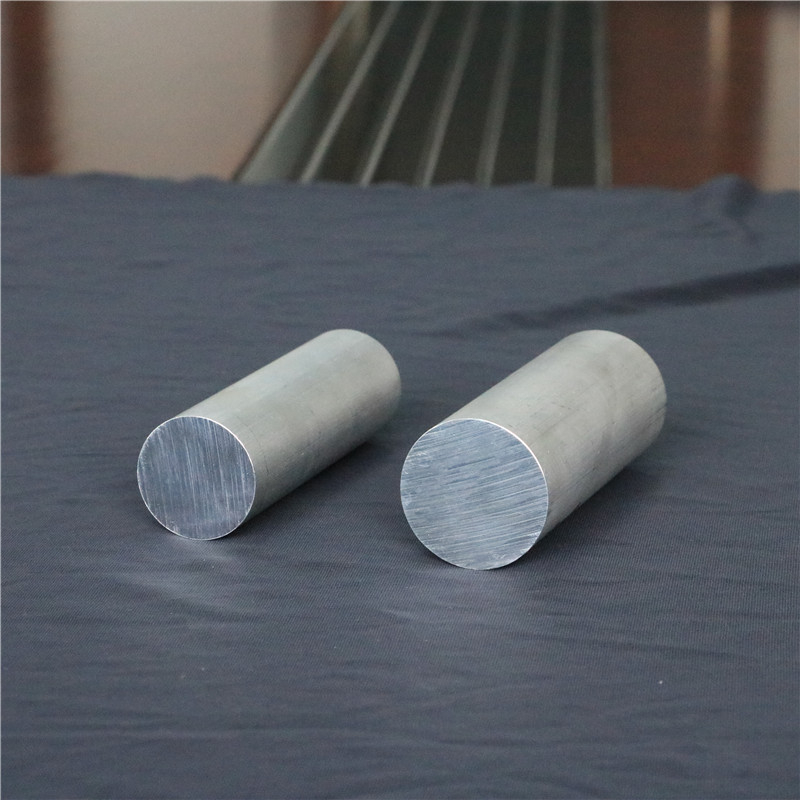
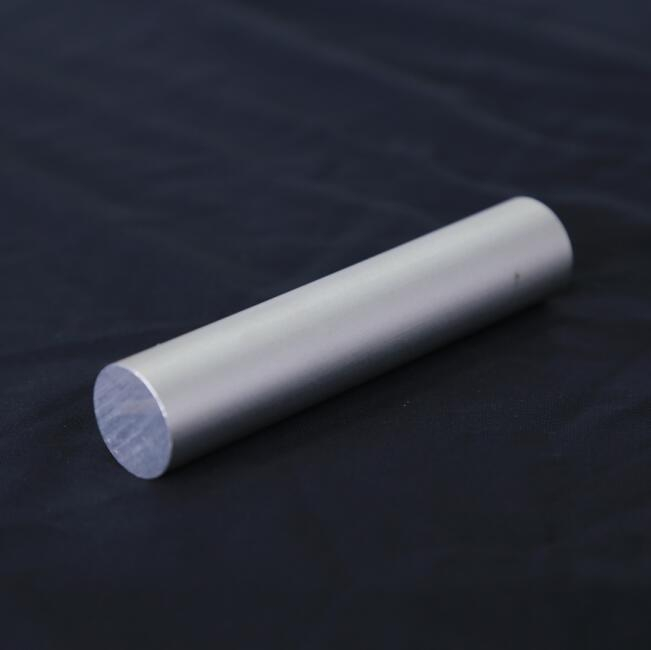
Bars and rods
Bars and rods are widely used for:
Tubes and seamless pipes
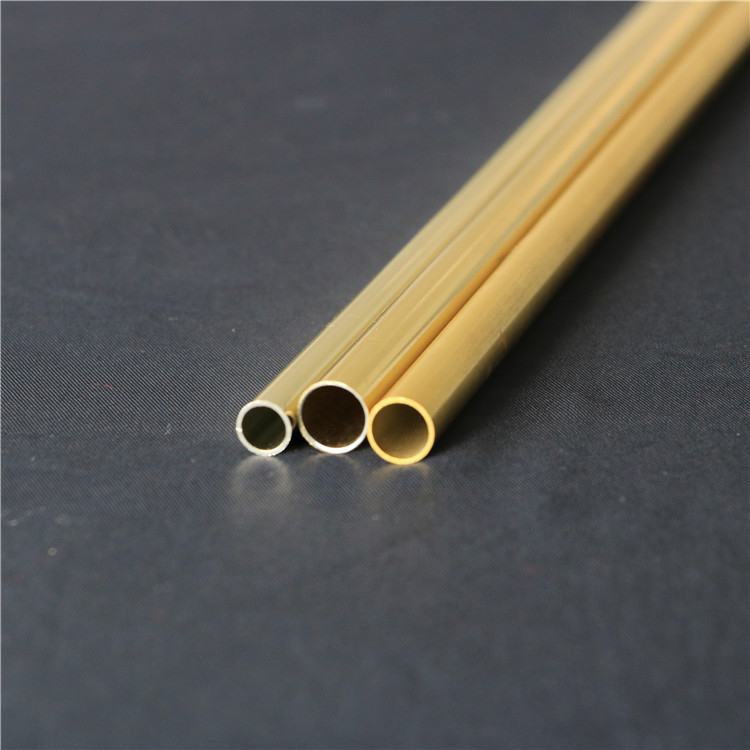
Seamless tubes made from 7000 series aluminum are mainly applied in:
Plates and sheets
Plates and sheets are typically used for:
structural panels
machined plates
load-carrying parts
Machined parts made from 7000 series aluminum material
Due to its high strength and good machinability, 7000 series aluminum is widely used as raw material for:
Extrusion Characteristics of 7000 Series Aluminum
Extrusion difficulty and process sensitivity
Compared with standard aluminum material such as 6063 or 6061, 7000 series aluminum is:
Improper process parameters can easily lead to surface defects and internal quality problems.
Typical challenges in extrusion of high-strength aluminum material
Common challenges include:
Die design and extrusion speed considerations
For 7000 series aluminum:
die strength and rigidity must be higher
metal flow balance is more critical
extrusion speed must be carefully controlled to avoid overheating
Quality control points for 7000 series aluminum extrusions
Key quality control points normally include:
Machining and Fabrication Performance
Machinability of 7000 series aluminum
Despite its high strength, 7000 series aluminum generally offers:
This makes it a preferred aluminum material for precision machining.
Cutting, drilling, milling and tapping behavior
Typical fabrication processes include:
CNC milling
turning
drilling
tapping
7000 series aluminum responds well to high-speed machining when proper cutting parameters are applied.
Tool wear and surface finish considerations
Due to its higher hardness compared with common aluminum material:
However, excellent surface finish can be achieved.
Comparison with other aluminum materials in machining
From a machining perspective:
easier to machine than many steels
comparable or better machinability than 2000 series aluminum material
better dimensional stability than softer aluminum materials in precision parts
Welding and Joining Performance
Weldability of 7000 series aluminum
In general, 7000 series aluminum is not considered a highly weldable aluminum material when compared with 5000 or 6000 series alloys.
The high zinc and magnesium content, which gives the alloy its outstanding strength, also increases welding sensitivity.
Most high-strength 7000 series grades are therefore not recommended for critical fusion welding applications.
Common welding issues
Typical problems encountered during welding include:
hot cracking during solidification
severe softening in the heat-affected zone (HAZ)
local loss of strength after welding
For structural components designed to take high loads, the reduction of mechanical properties after welding is a major concern.
Alternative joining methods
For high-strength applications using 7000 series aluminum, engineers usually prefer:
These joining solutions can better preserve the original mechanical properties of the aluminum material.
Surface Treatment and Finishing
Anodizing performance of 7000 series aluminum
7000 series aluminum can be anodized, but its anodizing response is generally:
Color consistency and surface appearance may vary among different grades.
Painting and coating compatibility
For many industrial and structural applications, painting and powder coating are widely used on 7000 series aluminum.
Coating systems are mainly applied to:
improve corrosion resistance
enhance surface durability
provide decorative appearance when required
Surface treatment challenges compared with other aluminum materials
Compared with common extrusion alloys such as 6063, 7000 series aluminum shows:
higher risk of surface defects during finishing
stricter requirements for pretreatment and cleaning
greater sensitivity to process parameters
Therefore, surface treatment control plays a key role in final product quality.
Typical Applications of 7000 Series Aluminum
Aerospace structural components
7000 series aluminum is widely used in aircraft and aerospace structures because of its:
Automotive and high-performance vehicle parts
In automotive and motorsport applications, 7000 series aluminum is commonly used for:
Sports equipment and lightweight structures
Typical applications include:
bicycle structural components
climbing and outdoor equipment
lightweight frames and load-bearing parts
Industrial machinery and tooling
In industrial equipment, 7000 series aluminum is used for:
high-load machine components
structural frames and supports
precision machined tooling parts
High-strength aluminum material for customized extruded profiles
For customers requiring both complex shapes and very high strength, 7000 series aluminum is increasingly selected for customized extruded profiles in special engineering projects.
Advantages and Limitations of 7000 Series Aluminum14.1 Main advantages
The key advantages of 7000 series aluminum include:
extremely high mechanical strength
outstanding strength-to-weight ratio
good machinability for high-strength aluminum material
excellent performance for precision components
Main limitations
Its main limitations are:
relatively poor weldability
higher sensitivity to corrosion and stress corrosion cracking
more complex processing and heat treatment
higher material and processing cost compared with standard aluminum material
7000 Series Aluminum vs Other Aluminum Materials
7000 series vs 6000 series aluminum material
7000 series aluminum offers much higher strength
6000 series aluminum provides better formability, extrudability and surface finishing
6000 series is more suitable for architectural and decorative profiles
7000 series vs 2000 series aluminum material
both are high-strength aluminum materials
7000 series usually offers higher peak strength
2000 series generally provides better high-temperature performance
Selection guide based on strength, cost and corrosion resistance
As a simple guideline:
maximum strength requirement → choose 7000 series aluminum
balanced strength and corrosion resistance → choose 6000 or 5000 series aluminum material
cost-sensitive applications → avoid unnecessary use of 7000 series alloys
ASTM Aluminum Material Standards Related to 7000 Series Aluminum
Introduction to ASTM aluminum material standards
In global procurement and engineering projects, aluminum products are frequently specified according to ASTM aluminum material standards, which define chemical composition, mechanical properties and inspection rules.
Common ASTM specifications for 7000 series aluminum products
Typical ASTM standards cover product forms such as:
plates and sheets
bars and rods
tubes and pipes
extruded profiles
Each specification clearly defines the allowable grades and temper conditions for 7000 series aluminum.
Importance of ASTM aluminum material compliance for international projects
Compliance with ASTM aluminum material standards ensures:
consistent material quality
internationally recognized acceptance
clear technical communication between suppliers and buyers
How ASTM aluminum material standards affect procurement and inspection
ASTM standards directly determine:
This is especially important for high-strength aluminum material used in safety-critical structures.
Quality Control and Inspection for 7000 Series Aluminum
Chemical composition inspection
Spectrometric analysis is commonly used to verify that alloying elements meet the specified limits for 7000 series aluminum.
Mechanical property testing
Mechanical testing normally includes:
tensile strength
yield strength
elongation
These values are directly compared with ASTM aluminum material requirements.
Dimensional and surface inspection
Quality control also focuses on:
Traceability requirements under ASTM aluminum material systems
For high-value and high-risk projects, traceability is essential.
Heat number, batch records and inspection reports are usually required.
Typical Customer Selection Considerations
How to choose the right 7000 series aluminum grade
Customers should evaluate:
required strength level
corrosion environment
product form (extrusion, plate, bar, tube)
machining or forming requirements
How to select the right temper and processing route
The temper condition directly affects performance.
Selecting the proper temper is critical for:
strength
toughness
corrosion resistance
How to evaluate suppliers of high-strength aluminum material
Key factors include:
heat treatment capability
quality control system
compliance with ASTM aluminum material standards
experience with high-strength aluminum alloys
Market Trends and Development of 7000 Series Aluminum
Increasing demand for lightweight and high-strength aluminum material
With the continuous demand for energy efficiency and lightweight design, high-strength aluminum material such as 7000 series aluminum is being adopted in more industries.
Development trends in extrusion and seamless tube technology
Process improvements focus on:
Future outlook of 7000 series aluminum in transportation and industrial sectors
In the future, 7000 series aluminum is expected to expand its application in:
Conclusion – Is 7000 Series Aluminum Right for Your Application?
Summary of key characteristics of 7000 series aluminum
7000 series aluminum is a high-performance aluminum material featuring:
When 7000 series aluminum is the best aluminum material choice
It is most suitable when:
strength is the primary design driver
lightweight construction is critical
welding is not a key requirement
Final recommendation for engineers and buyers using ASTM aluminum material standards
For projects requiring high reliability and international supply consistency, selecting the proper grade and temper of 7000 series aluminum in full compliance with ASTM aluminum material standards is essential for achieving both performance and long-term quality stability.
About Your Reliable 7000 Series Aluminum Supplier
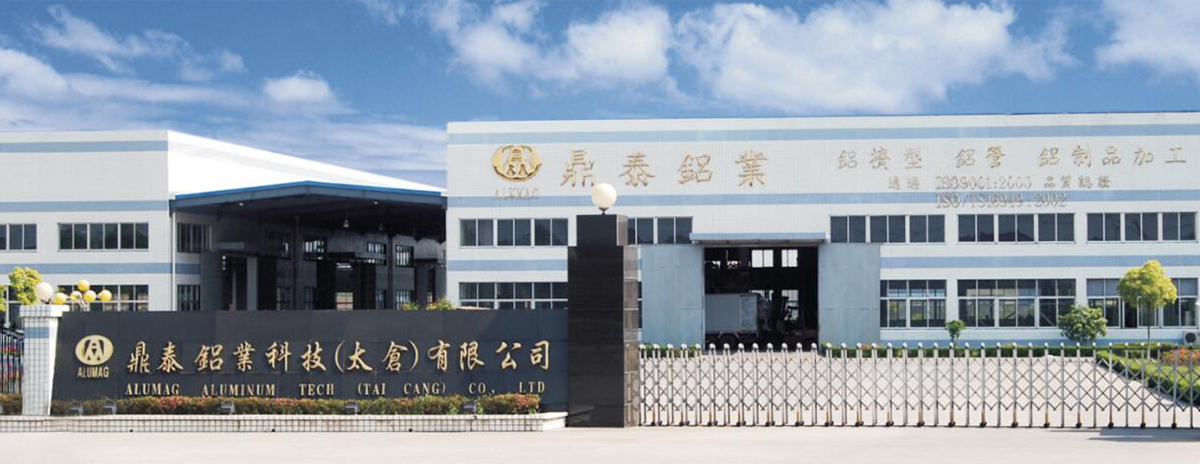
As a professional high-strength aluminum extrusion manufacturer, Alumag Group has been focusing on customized aluminum and magnesium extrusion solutions since 1994.
With manufacturing bases in Taiwan and Mainland China, multiple large-tonnage extrusion lines, complete heat-treatment facilities and in-house CNC machining centers, Alumag is able to supply 7000 series aluminum products in the form of extruded profiles, bars, tubes, plates and precision machined parts.
More importantly, Alumag is not only a material supplier, but also a solution provider.
From alloy selection consultation, extrusion design, die development, heat treatment and surface treatment to final machining and assembly, Alumag supports customers with a one-stop manufacturing service under strict quality control and certified management systems.
For international projects requiring stable quality and compliance with ASTM Aluminum Material standards, Alumag is committed to delivering reliable products and long-term technical support for global partners.
FAQ
1. Can Alumag supply customized 7000 series aluminum extruded profiles?
Yes. Alumag specializes in make-to-order production.
Customized 7000 series aluminum profiles can be developed according to your drawings, section complexity, tolerance requirements and final application.
2. Which product forms of 7000 series aluminum can be supplied?
Alumag can supply 7000 series aluminum in multiple forms, including:
extruded profiles
bars and rods
tubes and seamless tubes
plates
CNC machined parts
This allows customers to source both raw material and finished components from one supplier.
3. Can Alumag provide alloy and temper selection consulting?
Yes.
Alumag provides professional alloy consulting services, helping customers choose suitable 7000 series grades and temper conditions based on strength requirements, corrosion environment, machining needs and applicable ASTM Aluminum Material standards.
4. Can 7000 series aluminum products be supplied with heat treatment and machining services?
Yes.
Alumag offers a complete in-house processing capability, including solution treatment, aging, annealing and CNC machining such as milling, drilling, tapping and precision cutting, enabling delivery of ready-to-use components.
5. Are Alumag’s 7000 series aluminum products suitable for international projects?
Yes.
Alumag operates under certified quality and environmental management systems and supports material inspection, traceability and documentation in accordance with customer requirements, making its 7000 series aluminum products suitable for international projects that require compliance with recognized ASTM Aluminum Material standards.