Tel:+86-512-53640771-125 E-mail: export@alumag.com.cn
- All
- Product Name
- Product Keyword
- Product Model
- Product Summary
- Product Description
- Multi Field Search

Views: 0 Author: Site Editor Publish Time: 2025-11-26 Origin: Site


Can one metal reduce weight and boost strength? Magnesium Alloy makes engineers rethink design limits. It offers lightweight structure and high efficiency. Its properties shape durability and thermal control. They guide safer performance decisions. In this article, we explore Magnesium Alloy behavior. You will learn how it supports precision design. We explain weight efficiency, vibration control, and stability.
Lightweight strength improves structural efficiency and energy control
Thermal stability supports electronics and precision equipment design
Surface treatment ensures durability and corrosion protection
ALUMAG systems enhance reliability and lifecycle performance
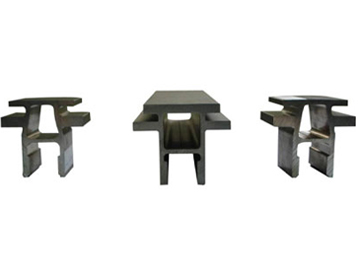
Magnesium Alloy offers extremely low density compared to aluminum. Its density supports reduced component mass and greater mobility. We achieve high structural efficiency using less material volume. They enable automotive weight reduction and improved fuel performance. It provides a strong yet lightweight structural advantage. High specific strength improves frame stability without excess weight. Designers gain strength control and dimension flexibility. This property supports precision parts with strict mass limits.
Table 1: Density and Strength Comparison
| Material | Density (g/cm³) | Typical Tensile Strength (MPa) | Strength-to-Weight Rank |
|---|---|---|---|
| Magnesium Alloy | 1.74 | 200–360 | Very High |
| Aluminum Alloy | 2.70 | 150–310 | High |
| Steel | 7.80 | 400–900 | Moderate |
Elastic modulus defines stiffness behavior under mechanical load. Magnesium Alloy shows lower stiffness than steel alternatives. We must design thicker sections for equivalent rigidity. They prevent unpredictable bending during dynamic operations. It maintains controlled deformation levels under standard stress. Designers adjust geometry to maintain structural balance. This approach increases safety margins without excess cost.
Table 2: Elastic Modulus Comparison
| Material | Elastic Modulus (GPa) | Deflection Tendency |
|---|---|---|
| Magnesium Alloy | 45 | Moderate |
| Aluminum Alloy | 70 | Low |
| Steel | 210 | Very Low |
Tensile strength defines resistance to pulling forces. Magnesium Alloy achieves competitive yield strength values. Wrought types offer higher strength than cast types. This difference affects selection for structural use cases. It improves reliability in aerospace and automotive structures. Hardness varies based on alloy composition. Engineers match hardness to wear conditions wisely.
Table 3: Strength Characteristics
| Alloy Type | Tensile Strength (MPa) | Yield Strength (MPa) | Hardness Trend |
|---|---|---|---|
| Cast Magnesium | 200–260 | 150–180 | Medium |
| Wrought Mg | 280–360 | 220–300 | High |
Fatigue resistance determines lifespan under repeated stress. Magnesium Alloy absorbs shock better than aluminum. It delivers superior vibration damping efficiency. We see stable performance in dynamic rotating systems. They resist microcracks in long-term use cycles. Noise reduction becomes a practical advantage. Components remain stable even under cyclic impact loads.
Ductility defines controlled shaping capacity. Magnesium Alloy shows limited plastic deformation at room temperature. We improve formability using alloying elements. They introduce flexibility through heat and processing control. Designers apply careful forming methods for optimal shape retention. Warm forming techniques support safer plastic behavior. It improves manufacturing success during shaping stages.
Creep defines deformation under sustained stress. Magnesium Alloy shows moderate creep resistance limits. We control operating temperatures to reduce creep risk. It remains stable under defined service conditions. Alloy enhancements improve resistance under heat load. Rare earth elements enhance creep performance. They reduce deformation over prolonged exposure durations.
Magnesium Alloy melts at lower temperatures than steel. It restricts use in extreme heat environments. We maintain safe limits during high temperature operations. They perform well in moderate temperature conditions. This makes it suitable for electronics enclosures. Thermal headroom is critical for design safety. Engineers must define suitable operating limits.
Thermal conductivity supports efficient heat dissipation. Magnesium Alloy transfers heat quickly and evenly. It helps prevent overheating in electronic devices. We use it in power enclosures effectively. They improve internal temperature regulation. This property reduces fan dependency. Design layers gain stability during operation.
Low heat capacity accelerates cooling after casting. Magnesium Alloy solidifies faster than aluminum. We gain improved production efficiency using this trait. It reduces cycle time and energy use. This speeds manufacturing throughput significantly. Rapid cooling enhances mold performance. Production timelines remain predictable and reliable.
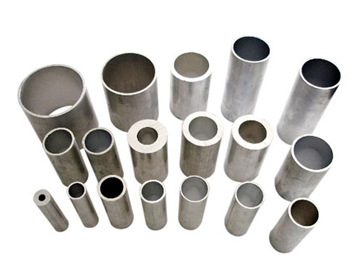
Magnesium reacts quickly with oxygen. It forms surface oxide layers naturally. We manage exposure through controlled processing. This prevents aggressive surface degradation. They improve stability using protective methods. Understanding reactivity supports correct storage procedures. Surface protection maintains structural integrity.
Magnesium Alloy resists corrosion poorly without treatment. Salt or moisture accelerates surface breakdown. We apply coatings for improved durability. They extend material service life significantly. Structural safety increases with corrosion control measures. At this stage, ALUMAG corrosion-resistant panels and extrusion profiles offer reliable improvement in industrial environments. These products apply specialized surface engineering to enhance durability and reduce failure risk.
Surface treatments enhance corrosion resistance. Common methods include anodizing and plasma oxidation. They protect performance across harsh conditions. We select coating by environment exposure profile. It strengthens material resilience. ALUMAG applies advanced coating systems to optimize surface stability. Their treated Magnesium Alloy solutions demonstrate extended service cycles and reduced maintenance costs.
Magnesium Alloy machines easily with minimal tool wear. It produces smooth surface finishes quickly. We achieve high precision results efficiently. They reduce machining cycle duration. Manufacturing costs decrease subtly.
Magnesium Alloy supports complex shape casting. It flows easily into intricate mold cavities. Designers achieve detailed structural complexity. We value this for automotive assemblies. Precision increases design aesthetics. ALUMAG die-cast systems support thin-wall components with high consistency. These products improve industrial batch efficiency significantly.
Low melting point reduces energy consumption. We save operational costs during processing. They support sustainable production cycles. Energy efficiency improves corporate sustainability metrics. Material choice aligns with green commitments. ALUMAG optimized forming systems reduce power usage in production lines. This approach delivers sustainable efficiency improvement.
Magnesium Alloy absorbs mechanical vibration effectively. It reduces system noise significantly. We apply it in engine control structures. They stabilize high speed equipment. Operational comfort increases across applications. ALUMAG vibration-damping panels enhance structural performance under motion. They reduce fatigue and noise levels effectively.
Magnesium Alloy blocks electromagnetic interference. It supports shielding in sensitive electronics. We use it in communication devices. They prevent signal disruption effectively. System reliability improves under electromagnetic exposure. ALUMAG shielding enclosures provide stable signal protection layers. They suit data-sensitive industrial environments.
Magnesium Alloy supports full recyclability. It reduces environmental impact significantly. We reuse discarded materials efficiently. They align with circular economy strategies. Waste generation decreases over time.
Magnesium Alloy ignites under extreme heat or sparks. We control machining sparks aggressively. They must follow strict safety measures. Fire hazards increase during dry grinding. Operators require training protocols. ALUMAG safety engineered systems reduce ignition risk significantly. This improves controlled production environments.
Untreated surfaces corrode quickly. We strengthen protection with coatings. They reduce exposure to corrosion agents. Operating locations influence corrosion risk. Preventive maintenance becomes essential. ALUMAG corrosion-resistant layer systems offer stable protection solutions. They enhance structural durability performance.
Plasticity limits restrict shaping capabilities. We apply heat support for better deformation. They require controlled forming methods. Cold shaping increases cracking risks. Design planning compensates plasticity limitation. ALUMAG alloy blends improve room temperature formability. These solutions reduce shaping error risk.
Magnesium Alloy weighs less than aluminum. It offers better vibration control capacity. We sacrifice some stiffness for weight benefits. They suit lightweight transport applications. Design choice suits mobility priorities.
Steel provides superior strength. Magnesium Alloy offers reduced mass advantage. We favor magnesium where weight matters. They support lightweight structural goals. Steel remains preferred for high load areas. ALUMAG lightweight structural frames optimize transport performance. They reduce system strain significantly.
Titanium resists heat better. Magnesium Alloy reduces cost significantly. We optimize weight and budget choices. They balance performance and affordability. Design context shapes material preference. ALUMAG premium magnesium solutions offer cost-effective alternatives to titanium. These products achieve high performance balance.
Magnesium Alloy defines modern lightweight structural engineering. It balances strength, efficiency, and sustainability. Its properties support reliable use in aerospace and automotive fields. They improve vibration control and thermal stability. This material helps engineers make accurate design choices. Understanding it strengthens long-term performance planning.
ALUMAG delivers advanced Magnesium Alloy products for industrial needs. Their solutions enhance durability and structural precision. They improve safety in demanding applications. ALUMAG products add value through stable construction and efficient performance. Smart integration ensures consistent results across complex environments.
A: Magnesium Alloy combines magnesium with elements to improve strength, weight balance, and stability.
A: Magnesium Alloy reduces mass while maintaining reliable structural performance.
A: Magnesium Alloy transfers heat well but suits moderate temperature ranges.
A: Magnesium Alloy needs coatings to prevent moisture-related damage.
A: It weighs less but offers lower stiffness than aluminum.
A: Alloy grade, processing, and surface treatment influence overall cost.