Tel:+86-512-53640771-125 E-mail: export@alumag.com.cn
- All
- Product Name
- Product Keyword
- Product Model
- Product Summary
- Product Description
- Multi Field Search


In today's world, electronic devices are getting more powerful. However, with power comes heat, and if not managed, it can cause serious damage. That's where heat sinks come in.
Heat sinks play a vital role in transferring excess heat away from critical components, preventing overheating. In this article, you will learn about the function, types, materials, and applications of heat sinks, and why they are essential for efficient device performance.
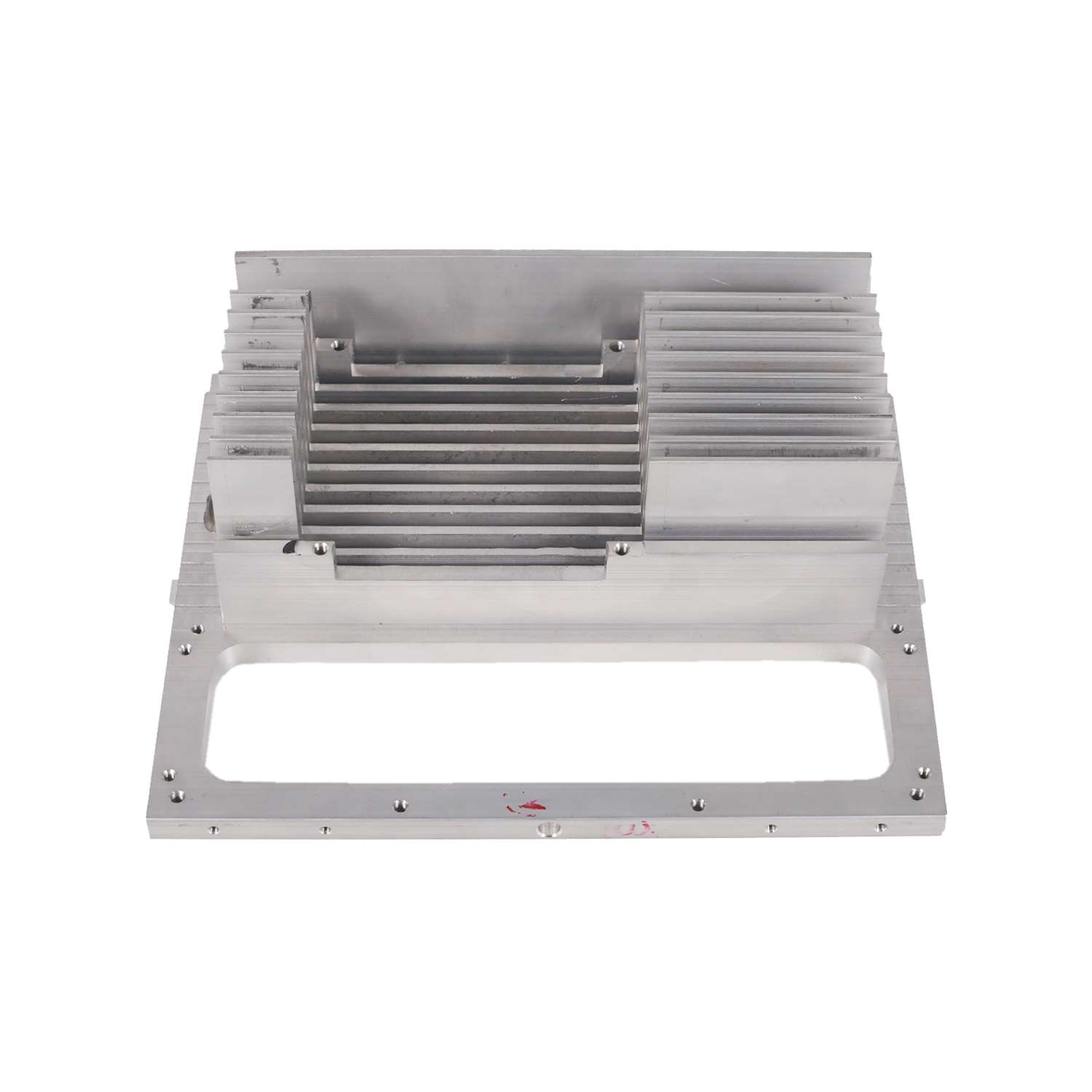
A heat sink is a passive thermal management device used to absorb and dissipate heat from electronic components, such as CPUs or GPUs. Typically made from materials like aluminum or copper, a heat sink works by increasing the surface area for heat transfer. Its design often includes features like fins or pins to maximize the area exposed to air or other cooling media. The heat sink’s primary function is to conduct heat away from the heat-producing component and transfer it to the surrounding air, where it dissipates through convection.
Electronic devices generate heat during operation, and if this heat is not effectively managed, it can lead to performance degradation or even permanent damage to the components. A heat sink helps prevent overheating by drawing heat away from critical components and releasing it into the surrounding air.
The heat dissipation process works as follows:
● Surface Area Increase: Heat sinks are designed to maximize the surface area in contact with the cooling medium (usually air), which enhances the heat transfer rate.
● Convection: After heat is transferred into the heat sink, it dissipates into the surrounding air. Convection is the main mechanism through which heat is removed. In natural convection (passive cooling), the heated air rises and is replaced by cooler air. Forced convection (active cooling) involves the use of fans to circulate air more efficiently, speeding up the cooling process.
● Efficient Cooling: Without a heat sink, excess heat would accumulate, leading to overheating. By increasing the surface area for heat dissipation, heat sinks ensure that electronic devices maintain safe operating temperatures.
A typical heat sink is composed of several components that work together to improve heat dissipation:
The base is the part of the heat sink that directly interfaces with the heat source. It is typically designed to be flat to maximize contact with the surface of the device. The more contact the base has with the component, the better the heat transfer.
Fins are protrusions attached to the base to increase the surface area available for heat dissipation. The larger the surface area of the heat sink, the more efficient it will be at transferring heat away from the device. The fins are typically arranged in a way that optimizes airflow, further enhancing the cooling process.
In high-performance applications, heat pipes are incorporated into the heat sink. These pipes transfer heat across the sink more effectively by using a phase-change mechanism. Heat pipes are sealed tubes that contain a fluid. As heat is applied, the fluid evaporates, moving the heat to the cooler end of the pipe, where it condenses back to a liquid.
Thermal paste, also known as thermal interface material (TIM), is applied between the heat sink and the heat source to improve the heat transfer efficiency. This material fills any microscopic air gaps between the two surfaces, ensuring better contact and more efficient heat conduction.
To secure the heat sink to the device, various mounting mechanisms such as clips, screws, or pushpins are used. This hardware ensures that the heat sink remains firmly attached, allowing it to maintain consistent contact with the heat-producing component for effective cooling.
Overheating is one of the most significant threats to electronic devices. Without proper heat dissipation, the internal components of a device, such as the CPU or GPU, can quickly overheat, causing system crashes, reduced performance, or permanent damage. Heat sinks are essential because they:
Prevent Overheating: By efficiently transferring heat away from the components, heat sinks prevent devices from reaching temperatures that could lead to malfunction.
Ensure Long-Term Reliability: Consistent cooling allows devices to operate at their peak performance levels over extended periods, improving their overall lifespan.
Enhance Device Performance: Heat sinks maintain optimal temperatures, allowing the device to function efficiently without thermal throttling or overheating issues.
In conclusion, heat sinks are an integral part of modern electronics, ensuring that devices remain cool, functional, and durable over time. They not only prevent overheating but also improve the performance and reliability of various electronic systems, from personal computers to power supply units.
Heat sinks work based on the principles of conduction, convection, and radiation. Heat is first conducted from the source (e.g., a CPU) into the heat sink. The heat then transfers into the surrounding air via convection, a process where warmer air rises and is replaced by cooler air. Radiation also plays a minor role, especially at high temperatures, where heat is emitted as infrared energy.
Thermal interface materials (TIM), such as thermal paste or pads, fill the microscopic gaps between the heat sink and the heat source. This improves thermal contact and ensures that heat transfers efficiently from the device to the heat sink. Without TIM, air gaps could impede heat flow, reducing the effectiveness of the heat sink.
There are two primary methods of heat dissipation:
Natural Convection (Passive Cooling): Utilizes the natural movement of air to dissipate heat. Passive heat sinks rely on this method, which works when the heat source doesn’t generate too much heat.
Forced Convection (Active Cooling): Involves fans, blowers, or pumps to actively move air across the heat sink. Active heat sinks are more efficient, especially in devices that generate large amounts of heat.
The larger the surface area of the heat sink, the more effective it is at dissipating heat. Fins or pins are designed to increase the surface area, allowing more heat to be transferred from the heat sink to the surrounding air. The efficiency of heat transfer increases significantly with the size and number of fins.
Passive heat sinks are simple devices that rely on natural convection to cool electronic components. These heat sinks do not require a fan or other active components. They are typically larger to compensate for the lack of forced air movement. Passive heat sinks are ideal for low-power devices where the heat generated is minimal, such as low-end microprocessors and LED lighting.
Active heat sinks incorporate fans or other forced airflow systems to enhance cooling. The use of a fan increases the airflow around the heat sink, making it more effective in dissipating heat. These heat sinks are commonly found in high-performance devices like gaming PCs, servers, and graphic processing units (GPUs), where large amounts of heat need to be managed.
Hybrid heat sinks combine both passive and active cooling methods. They are designed to operate passively under normal conditions but activate a fan or other cooling system when the temperature reaches a certain threshold. Hybrid heat sinks provide an efficient balance of cost and performance, making them suitable for devices with fluctuating heat loads.
Copper is one of the best materials for heat sinks due to its excellent thermal conductivity. It can transfer heat more efficiently than most metals, which makes it ideal for cooling high-performance devices like CPUs. However, copper is heavier and more expensive than aluminum, which limits its use in cost-sensitive or lightweight applications.
Aluminum is widely used in heat sinks because it is lightweight, cost-effective, and has good thermal conductivity. While it doesn't conduct heat as efficiently as copper, it is often preferred for most consumer electronics due to its lower cost and ease of manufacturing. Aluminum is also corrosion-resistant, making it durable in various environmental conditions.
In specialized applications, materials like graphite and diamond are used for heat sinks. Graphite, particularly pyrolytic graphite, offers exceptional in-plane thermal conductivity, rivaling copper in performance while being lighter. Diamond, though expensive, has the highest thermal conductivity of any material, making it ideal for extremely high-performance thermal management solutions.
The efficiency of a heat sink depends significantly on the thermal conductivity of the material used. Copper, with its high thermal conductivity, is the best performer in heat dissipation. Aluminum, while effective, has lower thermal conductivity, making it less suitable for extremely high-heat applications.
The effectiveness of a heat sink also depends on the design of the fins and the airflow surrounding it. A well-designed fin arrangement increases the surface area and improves airflow, ensuring better heat transfer. Airflow can be passive (natural convection) or forced (using a fan), with forced airflow typically offering superior performance.
Thermal resistance refers to the ability of a material or system to resist heat transfer. In a heat sink, low thermal resistance means more efficient heat dissipation. Thermal paste can reduce resistance by filling gaps between the heat sink and the device.
The temperature of the surrounding environment also affects the performance of a heat sink. The greater the temperature difference between the heat sink and the surrounding air, the more efficiently heat is dissipated. In hot environments, heat sinks may not perform as well.
Heat sinks are essential for maintaining optimal performance in computers. They are commonly used to cool CPUs, GPUs, and other power-hungry components. Effective heat dissipation helps prevent throttling and ensures the longevity of critical hardware.
While LEDs produce less radiant heat than incandescent bulbs, they still generate heat at the junction. Heat sinks in LED lighting systems ensure that the light fixtures operate efficiently, preventing premature failure due to heat buildup.
Power electronics, such as AC-DC converters and voltage regulators, generate significant heat during operation. Heat sinks made of aluminum are commonly used to manage this heat, ensuring that these components function within safe temperature limits.
Heat sinks are used in the automotive industry to cool electric motors and onboard chargers in electric vehicles (EVs). In aerospace, heat sinks help regulate the temperature of onboard electronics, with specialized designs used in spacecraft to radiate heat into space.
Cooling Device | Heat Sinks | Radiators | Plate Heat Exchangers | Vapor Chambers |
Primary Function | Dissipates heat using air for cooling. | Dissipates heat using liquid or air as a cooling medium. | Transfers heat between two fluids. | Transfers heat via phase change for high-efficiency cooling. |
Cooling Medium | Primarily air (passive or forced convection). | Liquid or air. | Fluids (liquid or gas). | Typically a liquid inside a sealed chamber. |
Best Use | Small, portable devices like computers and electronics. | Large, stationary systems like engines and industrial units. | Industrial applications requiring efficient heat transfer. | High-performance electronics like smartphones and laptops. |
Efficiency | Effective for cooling small devices, less efficient in large systems. | More efficient for larger systems, especially in HVAC and automotive. | Best suited for large-scale industrial settings. | Extremely efficient in compact, space-constrained environments. |
Cost and Size | Generally low-cost and compact. | Larger and more costly. | Larger, specialized units for industrial purposes. | High cost but ideal for compact and high-performance applications. |
Heat sinks are essential for thermal management, keeping electronic devices cool and ensuring efficient performance. By understanding their design, function, and applications, manufacturers can improve the reliability and lifespan of their products. Whether passive, active, or hybrid, heat sinks play a key role in preventing overheating and optimizing performance.
At Alumag Aluminum Tech (Taicang) Co., Ltd, we offer high-quality heat sinks that effectively manage heat and enhance the performance of your devices. Our products are designed to meet the demands of various industries, providing reliable and efficient cooling solutions.
A: A heat sink is a component used to absorb and dissipate heat, typically from electronic devices, to prevent overheating.
A: Heat sinks prevent overheating by transferring excess heat away from sensitive components, ensuring optimal performance.
A: Heat sinks are typically made from materials with high thermal conductivity, such as aluminum and copper.
A: By efficiently dissipating heat, heat sinks prevent components from reaching damaging temperatures, avoiding failure.
A: Passive heat sinks rely on natural convection, while active heat sinks use fans or pumps to enhance cooling efficiency.
A: Yes, heat sinks are commonly used in power electronics like AC-DC converters to manage heat and maintain efficiency.