Tel:+86-512-53640771-125 E-mail: export@alumag.com.cn
- All
- Product Name
- Product Keyword
- Product Model
- Product Summary
- Product Description
- Multi Field Search

Views: 0 Author: Site Editor Publish Time: 2025-12-03 Origin: Site


Is Aluminum Material always the smart choice for modern product design? Many engineers debate its true performance value. They want clarity, not vague claims. This article explores the real strengths and limits of Aluminum Material. We focus on practical trade-offs in real applications. Design choices affect durability, cost, and future performance.
In this article, you will learn how Aluminum Material behaves under stress. You will see where it excels and where it struggles. We help you make confident material decisions.
Aluminum Material balances light weight and solid strength, making it ideal for transport, aerospace, and modern architecture solutions.
Its natural corrosion resistance reduces maintenance demand, yet surface treatment remains essential in extreme environments.
Designers value its formability and thermal conductivity, though repeated stress and heat exposure limit some applications.
Cost efficiency often outweighs pure strength loss compared to steel or titanium in many mid-load scenarios.
Strategic alloy and finish selection improves lifespan and performance consistency across industries.
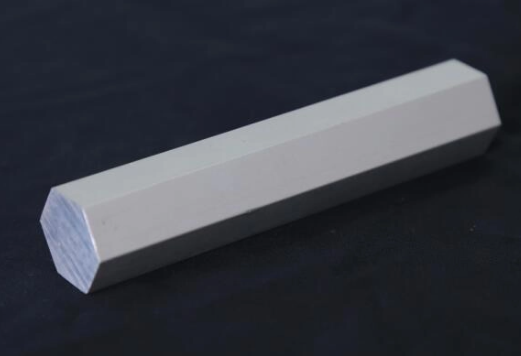
Aluminum Material offers high strength and low density. It weighs about one-third of steel. Yet many alloys remain structurally capable. They resist bending and deformation well under moderate loads. This balance helps designers lower total mass. They improve fuel efficiency and reduce transport load in critical systems. Aerospace and automotive sectors rely on this edge. They gain speed and efficiency without sacrificing integrity.
Aluminum Material forms a thin oxide layer. It protects the surface from moisture and air exposure. This natural shield improves durability in humid and marine zones. However, extreme salt or chemical exposure still poses risk. They may require coatings or anodizing for stability. Controlled treatment planning prevents premature surface failure. This ensures longer operational life.
Aluminum Material bends easily. It forms complex shapes with low processing force. They simplify extrusion and sheet forming tasks across manufacturing lines. Yet high ductility often means low hardness. Surface wear may occur faster. Impact-heavy applications require reinforcement or hardened finish. Designers must align use with expected stress.
Aluminum Material melts at lower temperatures than many metals. This lowers energy costs during shaping and casting. It aids rapid production cycles and saves power resources. But it weakens under sustained heat stress. High-temperature equipment should avoid it unless cooling systems exist. Failure to manage heat may reduce structural life. Thermal planning plays a critical role.
Aluminum Material conducts heat and electricity well. It performs strong in heat sinks and power cables. They help manage thermal loads effectively in electronics. Still, copper conducts more efficiently. Designers choose aluminum for weight and cost benefits instead. In high density systems, copper may dominate. Balance remains critical.
Aluminum Material stays affordable. It costs more than mild steel but less than titanium. Its lifecycle value often balances initial investment. They support both budget and durability targets. That makes them a strategic mid-range choice. Procurement teams prefer it for stable ROI. Cost planning becomes predictable.
| Property | Aluminum Material | Steel | Titanium |
|---|---|---|---|
| Density | Low | High | Medium |
| Strength | Moderate | High | Very High |
| Cost | Medium | Low | High |
| Corrosion Resistance | Good | Medium | Excellent |
Aluminum Material reduces component weight significantly. They improve mobility and handling across platforms. Transportation sectors benefit strongly. Lighter frames also reduce foundation strain. They support architectural flexibility and safer structural loads. Reduced weight lowers energy consumption over time. This brings strong sustainability results.
Alloys like 6061 and 7075 boost strength. They maintain low weight profile. Engineers adapt performance by alloy selection. Each alloy serves a different demand. That flexibility enhances custom design capability. Advanced industries fine-tune alloy chemistry. It improves reliability and safety.
Aluminum Material absorbs impact well. It deforms gradually rather than cracks instantly. This trait reduces sudden failure risk. It supports safer structural response under stress. Energy dissipation improves shock tolerance. Protective design improves lifespan. Engineers rely on predictable deformation behavior.
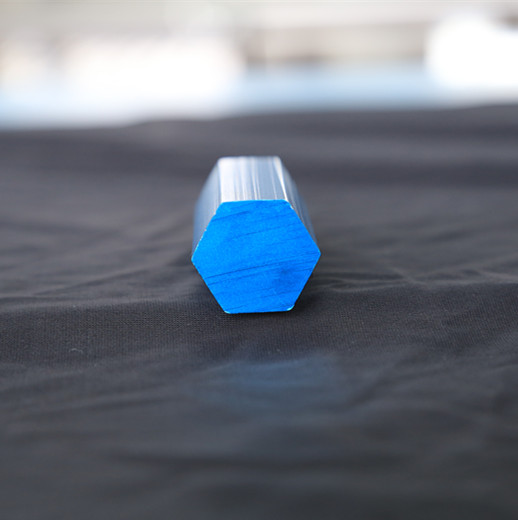
Aluminum Material softens under heat. It loses structural integrity faster than steel. Thermal creep may appear over time. Prolonged heat weakens molecular bonds. High-temperature machinery often avoids aluminum cores. Heat-safe alloys remain limited. Cooling system integration becomes mandatory.
Repeated stress creates micro-cracks. These weaken structure over time. Fatigue life becomes a concern. Dynamic load cycles reduce reliability. Fatigue tests must guide design. Engineers monitor stress points carefully. Predictive maintenance becomes essential.
Steel and titanium outperform aluminum in pure strength. Heavy-duty structures may avoid aluminum. Designers must match load range carefully. High-force applications need stronger metals. Structural failure risk rises without reinforcement. Proper engineering judgment prevents error.
Bare aluminum wears easily. Friction creates abrasion zones. Protective layers reduce this risk. Surface treatments improve durability. Wear protection ensures consistent performance. They extend lifespan significantly. Maintenance intervals reduce.
Steel offers higher raw strength. Aluminum offers lighter construction. Designers choose based on load priorities. Steel supports heavy machinery needs. Aluminum supports mobile systems. Weight reduction improves efficiency. Functional context defines choice.
Copper conducts better. Aluminum weighs less. Cost and mass influence final decision. For long lines, aluminum saves weight. Copper provides stable performance. System complexity guides selection. Efficiency planning determines outcome.
Titanium excels in extreme stress. Aluminum costs less and remains easier to process. Titanium suits aerospace extremes. Aluminum suits moderate stress roles. Designers align performance and budget. Each option holds its domain.
| Feature | Aluminum | Steel | Copper | Titanium |
|---|---|---|---|---|
| Weight | Light | Heavy | Heavy | Medium |
| Cost | Moderate | Low | High | Very High |
| Heat Tolerance | Low | High | Medium | Very High |
Anodizing thickens oxide layer. It increases scratch resistance and lifespan. This layer protects under moisture exposure. It enhances surface stability. Designers use it for outdoor products. Reliability improves greatly.
Powder coatings add protection. They enhance appearance. Some reduce conductivity slightly. Visual branding gains value. Coatings also resist corrosion. Engineering surfaces appear refined. Protection extends usability.
Choose finishes based on load, exposure, and usage. They protect and stabilize performance. Improper finish reduces efficiency. Correct choice improves durability. Aesthetic alignment matters. Functional clarity drives decisions.
| Finish Type | Main Benefit | Key Consideration |
|---|---|---|
| Anodizing | Corrosion resistance | Reduced conductivity |
| Powder Coat | Visual appeal | Adds thickness |
| Electroplating | Enhanced wear | Higher cost |
Lightweight reduces fuel use. Aluminum improves fleet sustainability. Speed gains reduce emissions. Structural mass decreases. Aircraft performance improves. Long-term savings accumulate.
High thermal conductivity supports efficient cooling. Heat sinks rely on aluminum cores. System temperatures remain stable. Performance extends lifespan. Device safety improves. Engineers prefer aluminum layout.
Its clean finish pleases consumers. It supports modern aesthetic trends. Urban design adopts aluminum widely. It increases visual appeal. Durability remains constant. Brand image strengthens.
| Sector | Primary Benefit | Application Example |
|---|---|---|
| Aerospace | Weight reduction | Aircraft fuselage |
| Electronics | Thermal exchange | Heat sink units |
| Architecture | Visual aesthetics | Curtain walls |
Assess working temperature, stress load, and corrosion risk. They dictate material suitability. Operational setting defines tolerance level. System reliability depends on accuracy. Environmental mapping supports safe choice. Engineers rely on structured analysis.
Initial cost matters. Maintenance and lifespan also matter. Evaluate long-term return. Lifecycle profitability guides procurement. Repairs add hidden expense. Strategic planning improves efficiency. Transparent cost review remains essential.
Avoid aluminum in very high stress or extreme heat scenarios. Steel or titanium perform better there. Critical equipment must resist failure. Material mismatch leads to breakdown. Design error risks system integrity. Alternative solution ensures stability.
Aluminum Material delivers balanced strength, corrosion resistance, and cost efficiency for modern industry needs. Its limits appear under high heat and extreme structural pressure environments. Engineers must evaluate trade-offs to ensure safe and durable performance results. ALUMAG supports projects with advanced aluminum products offering precise strength and stable surface quality. Their solutions improve efficiency and reduce long-term maintenance risk.
A: Aluminum Material supports lightweight design in transport, construction, and thermal systems.
A: Aluminum Material offers lower weight and good corrosion resistance at moderate cost.
A: It performs poorly under high heat and extreme structural stress.
A: Aluminum Material balances affordable pricing with long-term durability benefits.
A: Apply anodizing or coatings to protect Aluminum Material surfaces.
A: It works for medium loads, but titanium performs better.