Tel:+86-512-53640771-125 E-mail: export@alumag.com.cn
- All
- Product Name
- Product Keyword
- Product Model
- Product Summary
- Product Description
- Multi Field Search

Views: 0 Author: Site Editor Publish Time: 2025-11-27 Origin: Site


Many people ask if magnesium alloy is truly better than aluminum. The answer is not simple. These two metals compete in cars, aircraft, and electronics. Each offers different strengths. Weight, durability, machining, corrosion, and cost all matter. In this post, you’ll learn how they compare and when magnesium alloy is the better choice.
Magnesium alloy and aluminum compete across many industries, and people often judge them using several shared criteria. These include weight reduction, strength-to-weight performance, durability in daily use, corrosion resistance in harsh environments, long-term cost, and overall manufacturing efficiency. Engineers use these metrics because they shape real decisions in cars, aircraft, laptops, and industrial parts. Each metal behaves differently, and it changes how teams balance performance and budget.
Weight reduction matters because every gram removed improves speed, comfort, or portability. It also affects fuel use in vehicles. Strength-to-weight ratio shows how well a material carries load once weight is minimized. Durability determines how long a part survives stress, impact, and repeated use. Corrosion resistance protects surfaces in humidity, rain, and salt environments. Cost and ROI guide material selection when companies weigh premium performance against budgets. Manufacturing efficiency influences machining speed, tooling choices, and throughput. These factors work together, and they help determine when magnesium alloy or aluminum becomes the more suitable material.
Magnesium alloy is about 33% lighter than aluminum, and this difference creates major design advantages. It reduces vehicle weight, improves fuel efficiency, and helps portable devices feel noticeably lighter. Manufacturers use it in products that people hold or carry often. Luggage frames and automotive brackets are good examples, and brands use this metal to deliver a premium lightweight feel. It allows companies to cut mass without sacrificing form or function.
Property | Magnesium Alloy | Aluminum |
Density | ~1.74 g/cm³ | ~2.70 g/cm³ |
Relative Weight | Lightest structural metal | Heavier but still lightweight |
Impact | Strong portability benefits | Balanced cost and weight |
Magnesium alloy offers a higher strength-to-weight ratio, and it often supports the same loads while using less material. It lets designers remove thickness, cut weight, then keep stiffness. Aluminum still delivers strong structural performance, but it becomes heavier when matching similar strength levels. Real industrial data shows magnesium pedals surviving nearly double the load of aluminum versions while reducing mass. This makes magnesium appealing where strength and lightness must exist together.
Magnesium alloy machines faster because it cuts easily and needs less force. It reduces tool wear and energy use, and factories gain more output per hour. Many production lines see 30–40% faster machining speeds, and this helps lower overall manufacturing costs. Aluminum remains valuable for extrusion, bending, and forming complex shapes, which gives it flexibility in architectural or structural applications. Each metal excels in different types of processing, so teams choose based on their preferred manufacturing routes.
Corrosion behavior changes quickly between the two metals. Aluminum naturally forms a protective oxide layer, and it resists many outdoor and marine environments. It performs well without additional coatings. Magnesium alloy needs treatments to survive the same exposure. Surface coatings increase durability, improve resistance, and make it suitable for wider use. Modern protective layers help magnesium reach more than 400 hours of salt spray resistance, and it expands its potential in automotive or consumer applications. Even so, these coatings add cost and processing steps.
Aluminum is usually cheaper because it is abundant, easy to refine, and widely produced. It offers strong performance at a low price. Magnesium alloy costs more due to extraction and processing complexity. Many teams still choose magnesium when performance gains outweigh cost. In cars and aircraft, even small weight changes can increase efficiency, and companies treat this as long-term ROI. Premium consumer goods also rely on magnesium to deliver a high-end feel that aluminum cannot match at the same weight.
Magnesium alloy becomes the better choice when lightweight performance, strong machining efficiency, or a premium design experience matter most. Teams rely on it in structural brackets, portable electronics, and interior automotive parts. Aluminum becomes the better choice when budgets tighten or when parts must withstand harsh outdoor conditions. It offers stable corrosion resistance, broad forming compatibility, and a lower cost for mass-market production.
Magnesium alloy and aluminum behave differently in real products, and each material shapes performance, cost, and durability. Many industries use both metals, but they choose based on weight goals, environmental exposure, and certification requirements. The following sections show how these choices appear in vehicles, aircraft, and modern consumer goods.
Magnesium alloy offers major weight savings in cars, and it supports parts that sit inside the vehicle structure. Engineers use it for battery housings, pedals, and interior brackets because it reduces mass and still handles repeated mechanical loads. Cars often experience a 10–15% overall weight reduction once teams replace selected aluminum parts. It helps improve fuel efficiency, and it allows smaller engines or longer electric driving range. Aluminum still dominates exterior panels and corrosion-exposed areas, and it performs better in places touched by moisture, rain, or salt. Its natural oxide layer protects the surface, and it keeps body panels stable in long-term outdoor use.
Aerospace designers value weight even more, and every kilogram matters during long flights. Magnesium alloy enters certain cabin structures, housings, and seat frames where strength per weight delivers clear benefits. It helps improve comfort, reduces vibration, and allows creative designs in interior components. Aluminum keeps its lead in most structural and exterior elements due to strict certification rules. It resists corrosion during high-altitude cycles, temperature shifts, and exposure to de-icing chemicals. These conditions demand predictable performance, and aluminum provides that reliability while still offering good strength and machinability.
Consumer electronics require thin shells, strong structures, and materials that feel premium. Magnesium alloy enables laptop bodies that are lighter, stiffer, and more stylish. It also appears in high-end luggage frames, and it gives users a durable, lightweight product they can carry easily. The metal creates a premium tactile experience, and many brands use it to differentiate top-tier devices. Aluminum remains widely used for mass-market electronics, and it lowers cost while maintaining acceptable strength. It also forms easily in high-volume production, and it continues to power budget-friendly laptops, phones, and accessories.
Industry | Magnesium Alloy Use | Aluminum Use |
Automotive | Battery housings, pedals, brackets | Panels, exterior parts |
Aerospace | Cabin structures, interior housings | Certified structural elements |
Electronics | Premium shells, frames | Mass-market devices |
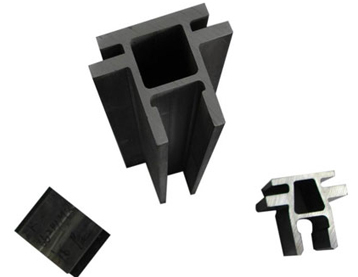
Magnesium alloy and aluminum differ in weight, strength, corrosion behavior, and heat performance. These differences shape how each material is used across cars, aircraft, electronics, and industrial products. Designers compare them carefully, and they use these properties to decide which metal performs better in each situation.
Weight remains one of the strongest dividing lines between the two materials. Magnesium alloy has a density of about 1.74 g/cm³, and aluminum sits near 2.7 g/cm³. This makes magnesium the lightest structural metal available today. It helps engineers reduce part mass quickly, and it supports lightweight designs in vehicles, laptops, and handheld tools. Aluminum still qualifies as a light metal, but it cannot match the extreme weight savings offered by magnesium.
Strength and durability determine how long a part lasts under stress. Both materials provide strong stiffness, and they support demanding loads in automotive or aerospace environments. Magnesium wins when strength is judged per weight unit, and it lets companies remove thickness while keeping high performance. Aluminum demonstrates strong durability during outdoor use and under repeated stress cycles, and it works well for structures that need predictable long-term behavior. Many products rely on aluminum for rigid housings where corrosion and formability also matter.
Corrosion resistance separates the two metals clearly. Aluminum forms a natural oxide layer, and this layer protects it during outdoor or marine exposure. It stays stable in humidity, rain, and salt. Magnesium alloy reacts more quickly, and it needs coating systems to prevent damage. Modern coatings make magnesium suitable for more environments, and some treatments provide hundreds of hours of salt spray resistance. These coatings add steps, and they increase cost. Aluminum remains the easier option when long-term weather exposure is unavoidable.
Heat performance shapes material selection for electronics, engines, and cooling components. Aluminum offers higher thermal conductivity, and it spreads heat quickly through housings and heat sinks. Many thermal modules rely on it because it stays stable while moving heat away from processors or motors. Magnesium alloy still works in electronic housings, and coatings help improve its performance. It remains acceptable in designs where weight matters more than maximum heat spreading.
Tip: Some lightweight devices use magnesium for shells, and they combine it with internal aluminum heat spreaders to balance strength, heat flow, and portability.
Magnesium alloy and aluminum differ not only in performance but also in economic and environmental impact. Companies evaluate price, supply stability, and long-term sustainability before choosing either material. These factors influence real-world decisions in automotive, aerospace, and consumer goods production, and they shape how each metal fits into global manufacturing systems.
Aluminum remains far more abundant, and it benefits from a mature global mining network. It stays inexpensive due to high-volume production and broad availability. Many industries rely on it because supply stays predictable, and prices move slowly compared to specialty metals. Magnesium alloy comes from more limited sources. It costs more due to refining complexity, transport limits, and specialized production lines. Some regions rely heavily on imported magnesium, and this affects pricing stability during market shifts. Supply chain risks influence how companies plan for long-term product lines.
Factor | Magnesium Alloy | Aluminum |
Abundance | Limited | Very high |
Cost | Higher | Lower |
Supply Chain | Specialized routes | Global, stable |
Lifecycle cost often changes the decision, and it helps companies look beyond simple material price. Magnesium alloy can reduce total vehicle mass, and lighter vehicles consume less fuel or energy. This creates real savings for electric and gas-powered cars. It also helps designers cut weight in aerospace cabins, and these reductions improve efficiency during long flights. Aluminum reduces cost by avoiding heavy maintenance. It resists corrosion naturally, and it lasts longer outdoors without complex surface treatments. This reliability lowers long-term repair requirements. Each material influences the total cost in different ways, and teams choose based on performance versus maintenance expectations.
Environmental impact matters for companies trying to reduce emissions and waste. Magnesium alloy supports lightweighting, and lighter vehicles release fewer emissions over time. In electric cars, lower mass extends driving range, and it makes battery use more efficient. Aluminum also helps reduce environmental load, and its corrosion resistance supports longer product life. Both materials can be recycled, and recycling decreases energy use compared to producing new metal. Aluminum recycling remains highly developed, and it achieves strong recovery rates in many regions. Magnesium recycling is growing, and it supports sustainable production for lightweight parts. These factors guide modern design teams as they build greener products.
Magnesium alloy is better when weight savings or strong machining benefits matter. Aluminum works best in harsh environments or tight budgets. Each metal supports different needs, and the right choice depends on the project. Magnesium fits premium parts and lightweight goals, while aluminum suits corrosion-heavy tasks. Companies like Alumag provide magnesium solutions that improve strength, reduce weight, and add real value to modern products.
A: Yes. Magnesium Alloy is 33% lighter than aluminum, making it ideal for lightweight designs.
A: Magnesium Alloy provides a higher strength-to-weight ratio, useful for automotive and aerospace parts.
A: Yes. Aluminum resists corrosion naturally, while Magnesium Alloy needs coatings.
A: Aluminum costs less, but Magnesium Alloy can reduce lifecycle costs through weight savings.
A: Choose Magnesium Alloy when weight, machining speed, or premium product feel are priorities.