


Aluminum rods are widely used for their lightweight and corrosion-resistant properties. But how strong is aluminum rod? This question is crucial when selecting the right aluminum rod for different applications. The strength of an aluminum rod depends on its alloy and treatment process, making it vital to understand its properties before use.
In this article, we will explore the strength of aluminum rods, factors that affect their strength, and how to choose the right aluminum rod for your needs. Whether you're using aluminum for structural purposes or aesthetic designs, understanding its strength is key.
Aluminum rods are known for their excellent strength-to-weight ratio. Despite being lighter than other metals like steel, aluminum rods retain significant strength, making them ideal for applications where both weight reduction and durability are essential. This property is especially beneficial in industries like aerospace, automotive, and construction, where lightweight components are needed without sacrificing strength. The strength of aluminum rods can vary greatly depending on the alloy and treatment, so it's essential to select the right material for the intended application.
Strength-to-Weight Ratio: Aluminum rods are lightweight yet strong, making them ideal for structural and load-bearing applications.
Corrosion Resistance: Aluminum's natural ability to resist corrosion ensures long-term durability in outdoor and marine environments.
Flexibility: Aluminum rods can be bent with the right techniques, offering versatility in design and use.
One of the key advantages of aluminum rods is their natural resistance to corrosion. When exposed to air, aluminum forms a thin oxide layer on its surface, which protects the material from rust and degradation. This corrosion resistance makes aluminum rods ideal for applications in harsh environments, such as marine settings, outdoor structures, or areas with high humidity. The corrosion-resistant nature ensures that the aluminum rods maintain their strength and integrity over time, providing longevity and reliability in critical applications.
Durability: Protects against wear and tear from environmental exposure.
Long-lasting: Aluminum rods maintain their strength and appearance for extended periods without degradation.
The strength of an aluminum rod is significantly influenced by its composition. Pure aluminum, such as the 1100 series, is soft, malleable, and easy to bend. While this makes pure aluminum ideal for applications where shaping is important, it also means it provides relatively low strength. Conversely, aluminum alloys like 6061, 6063, and 7075 are stronger and more suitable for structural applications. These alloys are used in industries that require both strength and durability, though they are less flexible and more challenging to bend.
Alloy Type |
Strength |
Malleability |
Best Use |
Pure Aluminum (1100 series) |
Low to Medium |
High |
Lightweight, decorative uses |
Aluminum Alloys (6061, 7075) |
High |
Low |
Structural, heavy-duty applications |
Aluminum rods undergo various heat treatments to increase their strength. Heat-treated rods, such as the 6061-T6 alloy, are stronger and harder, making them suitable for structural applications. However, they are also less ductile and may be more prone to cracking when bent. Non-heat-treated aluminum rods, such as 3003, are softer and more flexible, making them easier to bend but less suitable for applications requiring high strength. The choice between heat-treated and non-heat-treated rods depends on the specific project requirements, balancing strength and flexibility.
Heat-Treated Aluminum: Offers higher strength but is harder to bend and more brittle.
Non-Heat-Treated Aluminum: Easier to bend and shape, but offers lower strength, ideal for non-structural uses.
The hardness of aluminum rods plays a significant role in determining their overall strength. Softer alloys, like 3003, are easier to bend and shape but lack the strength required for heavy-duty or structural applications. These alloys are ideal for light-duty projects or decorative purposes. On the other hand, harder alloys, such as 6061 or 7075, offer superior strength, making them suitable for applications that require load-bearing capacity, but they are more difficult to bend and often require additional techniques, such as heating or the use of specialized equipment.
Softer alloys, like 3003, are much more malleable and can be bent easily without significant risk of cracking or damage. However, their lower strength makes them unsuitable for structural uses or any application that requires substantial weight-bearing.
Harder alloys, such as 6061 or 7075, offer greater strength and durability. However, their rigidity means they are harder to bend. Special care and techniques, such as pre-heating the rods or using advanced machinery, may be required to achieve the desired bend without causing damage to the material.
Softer Alloys: Ideal for decorative and light-duty uses.
Harder Alloys: Suitable for structural, high-load applications but challenging to bend.
The minimum bend radius refers to the smallest radius around which an aluminum rod can be bent without causing permanent damage, such as cracking or material failure. This is a critical factor in determining whether an aluminum rod will maintain its strength and functionality after bending. Softer alloys typically have a smaller minimum bend radius, while harder alloys require a larger radius to prevent damage.
Softer aluminum alloys, like 3003, can handle tighter bend radii because they are more flexible and less likely to crack. However, care should still be taken to ensure the bend does not exceed the material’s capacity.
Harder alloys like 6061 or 7075 have a higher tensile strength, which makes them more resistant to cracking under stress. However, they are less ductile and need a larger bend radius to prevent fractures or other structural failures.
Choosing the right aluminum rod for your project depends largely on the strength needed to meet your specific requirements. Aluminum rods come in various alloys, each offering different strength levels. If your project demands a material that can bear heavy loads or withstand high stress, you should opt for a stronger aluminum alloy like 6061 or 7075. These alloys provide superior strength, making them ideal for structural components. However, it’s important to note that these stronger alloys may be more difficult to bend and require additional techniques.
For heavy-duty applications, it’s essential to choose stronger alloys that can handle significant stress and provide durability. Alloys such as 6061 and 7075 are ideal for projects like construction, aerospace, and automotive applications where strength is a critical factor. These alloys are known for their high tensile strength, making them perfect for load-bearing structures.
On the other hand, for light-duty applications or decorative uses, softer alloys like 3003 may be sufficient. These alloys are easier to bend, but they offer lower strength, making them more suitable for applications where load-bearing capacity isn’t as critical.
Heavy-Duty Use: Use stronger alloys like 6061 or 7075 for applications requiring high strength and durability.
Light-Duty Use: Softer alloys like 3003 are better suited for non-structural or aesthetic purposes.
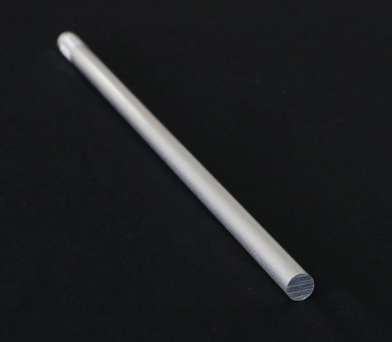
The environmental conditions in which aluminum rods will be used are also critical factors in choosing the right material. If the rods will be exposed to harsh conditions like moisture, chemicals, or extreme temperatures, corrosion resistance becomes a top priority. Certain aluminum alloys, such as 6061 and anodized aluminum, offer excellent resistance to corrosion and can maintain their strength in harsh environments.
For aluminum rods used outdoors or in high-moisture areas, select alloys with excellent corrosion resistance. 6061 aluminum, in particular, is well-known for its resistance to weathering, making it ideal for outdoor applications such as window frames, fences, and architectural features.
If the aluminum rods will be exposed to more extreme conditions, such as chemicals or saltwater, consider anodizing or coating the aluminum for added protection. Anodized aluminum offers enhanced durability and corrosion resistance, which is ideal for marine environments and industrial settings where exposure to harsh chemicals is a concern.
Protecting Aluminum from the Elements
● Outdoor Use: Choose corrosion-resistant alloys like 6061 or anodized aluminum for longevity.
● Harsh Environments: Consider anodizing or powder coating for additional protection against corrosion.
Aluminum rods come in different alloys that offer varying levels of strength and flexibility. Here's a comparison of common alloys to help you make the right choice:
Alloy Type |
Strength |
Malleability |
Best Use |
3003 Aluminum (Softer) |
Low to Medium |
High |
Lightweight, decorative uses |
6061 Aluminum (Heat-Treated) |
High |
Medium |
Structural, heavy-duty applications |
7075 Aluminum (High-Strength) |
Very High |
Low |
Aerospace, high-performance uses |
3003 Aluminum: Known for its high malleability, ideal for decorative applications and lightweight uses but offers lower strength.
6061 Aluminum: A heat-treated alloy that provides great strength for structural applications while maintaining moderate flexibility.
7075 Aluminum: A high-strength alloy used in demanding applications, such as aerospace, but it is less flexible and harder to bend.
For Structural or Heavy-Duty Use: 6061 or 7075 are the best choices for their superior strength.
Lightweight or Decorative Use: 3003 provides sufficient strength with greater flexibility.
Aluminum rods offer a great balance of strength and weight, making them suitable for various applications. The strength depends on the alloy, heat treatment, and intended use. Softer alloys are easier to bend but provide less strength, while harder alloys offer superior strength but are more difficult to manipulate.
When selecting an aluminum rod, consider the strength requirements, alloy hardness, and environmental resistance. For structural applications, use alloys like 6061 or 7075, while softer alloys like 3003 are ideal for lighter applications.
As technology advances, aluminum alloys will become even stronger and more versatile. Innovations in materials and techniques will further improve aluminum’s performance, making it an efficient and sustainable material for various industries. Alumag Aluminum Tech (Taicang) Co., Ltd.offers high-quality aluminum rods with excellent strength and durability for your projects.
A: Aluminum rods are lighter than steel but have a lower strength. They are suitable for applications where weight is important, but steel is stronger for heavy-duty tasks.
A: The strength of an aluminum rod depends on its alloy, heat treatment, and intended application. Harder alloys like 6061 provide greater strength, while softer alloys like 3003 are more malleable.
A: Aluminum rod is used in construction because of its excellent strength-to-weight ratio, corrosion resistance, and ease of manipulation, making it ideal for lightweight structures.
A: Yes, aluminum rods can be bent, but the process depends on the alloy and the bend radius. Softer alloys bend easily, while harder alloys require more precision or heating.
A: Yes, aluminum rods are naturally resistant to corrosion, making them durable and strong enough for outdoor applications, including construction, automotive, and marine environments.
A: Aluminum rods can be strong enough for structural use when made from alloys like 6061 or 7075, which offer superior strength compared to pure aluminum.