Tel:+86-512-53640771-125 E-mail: export@alumag.com.cn
- All
- Product Name
- Product Keyword
- Product Model
- Product Summary
- Product Description
- Multi Field Search

Views: 0 Author: Site Editor Publish Time: 2025-10-27 Origin: Site


Aluminum is one of the most commonly used materials in various industries, from manufacturing to aerospace and construction. However, despite its widespread use, many people are still unsure about whether aluminum is magnetic. The question "Is aluminum a magnetic material?" is a frequent query, and in this article, we will explore the magnetic properties of aluminum, its various applications, and how it compares to other materials. Additionally, we will delve into some related terms such as Aluminum Material, aluminum extrusion profile, sustainable aluminum extrusions, and others to provide a comprehensive understanding of this versatile material.
Before diving into whether aluminum is magnetic, it’s essential to understand what magnetic properties are and how they affect materials. Magnetic properties refer to the way a material responds to a magnetic field. Materials can be classified based on their magnetic behavior, which includes:
Ferromagnetic: These materials are strongly attracted by a magnetic field, such as iron, cobalt, and nickel.
Paramagnetic: These materials are weakly attracted to a magnetic field, but the attraction is not strong enough to produce a permanent magnet.
Diamagnetic: These materials are weakly repelled by a magnetic field, and this effect is typically very small.
Aluminum falls into the paramagnetic category, which means that while it is weakly attracted to a magnetic field, it does not exhibit the strong magnetic properties seen in ferromagnetic materials. In other words, aluminum is not magnetic in the sense that iron or steel is, but it does show a faint attraction in the presence of a strong magnetic field.
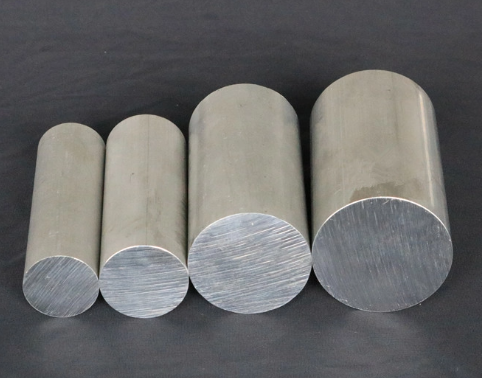
The direct answer to the question is that aluminum is not a magnetic material. It is not attracted to magnets in the same way that ferromagnetic materials like iron, nickel, or cobalt are. The atomic structure of aluminum does not support the alignment of magnetic domains, which is the fundamental cause of magnetism in ferromagnetic materials.
However, as mentioned earlier, aluminum is paramagnetic, meaning it can be weakly attracted to a magnetic field, but the effect is so minor that it’s not noticeable under typical conditions. To demonstrate this, you would need a very strong magnetic field to detect any attraction.
The reason aluminum is not magnetic lies in its atomic structure. Aluminum’s atomic configuration does not allow for the alignment of electrons in a way that would create a magnetic moment. In ferromagnetic materials like iron, the electrons in the material's atoms can align in the same direction, creating a strong magnetic field. In aluminum, however, these electrons remain randomly oriented, which means they don’t create a magnetic field large enough to make the material magnetic.
Although aluminum is not magnetic, it is one of the most versatile and widely used materials in various industries. Let's take a look at some key properties of aluminum and its applications:
Lightweight: Aluminum is incredibly light compared to other metals like steel, making it ideal for applications where weight reduction is important.
Corrosion-Resistant: Aluminum naturally forms a protective oxide layer that shields it from corrosion, which is one of the reasons it is widely used in outdoor and marine environments.
Non-Magnetic: As we’ve established, aluminum is not magnetic, making it suitable for applications where magnetic interference must be minimized.
Conductivity: Aluminum is a good conductor of both electricity and heat, which makes it an excellent choice for electrical applications.
Ductility: Aluminum is highly ductile, meaning it can be drawn into thin wires or extruded into complex shapes without breaking.
Aerospace: Aluminum’s lightweight nature makes it the material of choice for aircraft, spacecraft, and satellite construction.
Construction: Aluminum is widely used in building materials, windows, doors, and roofing due to its durability and resistance to corrosion.
Automotive: The automotive industry utilizes aluminum for body panels, engines, and wheels to reduce vehicle weight and improve fuel efficiency.
Packaging: Aluminum foil is commonly used for packaging food and beverages because it is lightweight, durable, and provides an excellent barrier to air, light, and moisture.
Electrical: Due to its conductivity, aluminum is often used in power lines, electrical wiring, and electronics.
In terms of quality and performance, aluminum is regulated by various standards, one of which is the ASTM (American Society for Testing and Materials). The ASTM provides guidelines and specifications for aluminum products, ensuring that they meet certain quality, strength, and performance criteria.
For instance, ASTM B221 is a standard specification for aluminum extrusion profiles, which provides detailed instructions for producing aluminum shapes used in structural and architectural applications. Aluminum materials that comply with ASTM standards are tested for their mechanical properties, including strength, toughness, and corrosion resistance, ensuring they are fit for their intended use.
One of the most important aspects of aluminum manufacturing is aluminum extrusion, which involves forcing heated aluminum through a mold to create specific shapes. This process is widely used in the production of aluminum profiles for various industries, from construction to automotive and aerospace.
Billet Preparation: The aluminum alloy is first heated to a specific temperature to make it malleable.
Extrusion: The heated aluminum is then pushed through a die to form the desired profile. This process can create complex shapes and allows for precise control over the dimensions of the final product.
Cooling: After extrusion, the aluminum profile is cooled and hardened to ensure it retains its shape.
Finishing: The extruded profiles are then cut to length and can undergo additional processes such as anodizing or powder coating to improve their appearance and resistance to corrosion.
In recent years, the demand for sustainable aluminum extrusions has risen significantly, particularly in the construction and automotive sectors. Aluminum is a 100% recyclable material, and the extrusion process can be designed to minimize waste and energy consumption. Recycled aluminum requires less energy to produce compared to virgin aluminum, making it a more environmentally friendly option.
By focusing on sustainable aluminum extrusions, manufacturers are helping to reduce their carbon footprint and contribute to a circular economy. Companies like Alumag, for example, are at the forefront of developing sustainable aluminum products by integrating recycling technologies into their manufacturing processes.
Another popular form of aluminum is aluminum tube, which is used in a variety of applications, including in the automotive and aerospace industries. Aluminum tubes can be extruded into different shapes and sizes and are known for their strength-to-weight ratio, making them ideal for structural and fluid handling purposes.
Aluminum foil is another highly useful product made from aluminum. It is extremely thin, flexible, and has high tensile strength. Aluminum foil is widely used in packaging, food preservation, and insulation, owing to its excellent barrier properties.
The aluminum fusion temperature is the temperature at which aluminum melts. This temperature typically ranges between 660°C to 670°C (1220°F to 1238°F), depending on the alloy used. Understanding the fusion temperature of aluminum is crucial in various manufacturing processes, including welding and casting, where precise temperature control is necessary.
Aluminum is often compared to other metals, such as steel, in terms of strength, weight, and magnetic properties. Steel, for instance, is ferromagnetic, meaning it is strongly attracted to magnets, while aluminum is non-magnetic. This difference is crucial in applications where magnetic properties need to be controlled, such as in electronic devices or sensitive equipment.
Aluminum also differs from steel in terms of its weight. While steel is stronger, it is much heavier than aluminum. This makes aluminum a better choice for applications where weight reduction is important, such as in the aerospace or automotive industries.
| Material | Magnetic Properties | Weight | Strength | Conductivity |
|---|---|---|---|---|
| Aluminum | Non-magnetic | Light | Moderate | High |
| Steel | Magnetic | Heavy | High | Moderate |
| Copper | Non-magnetic | Heavy | Moderate | Very High |
No, aluminum is not a magnetic material. It is paramagnetic, which means it is weakly attracted to a magnetic field, but the effect is so minimal that it is usually not noticeable.
Aluminum profiles are shapes or sections made from aluminum through the extrusion process. They are used in various applications, including construction, automotive, and electronics.
Sustainable aluminum extrusion refers to the production of aluminum profiles in an environmentally friendly manner, focusing on reducing energy consumption, minimizing waste, and utilizing recycled aluminum.
The aluminum fusion temperature is the temperature at which aluminum melts. It is typically between 660°C to 670°C, depending on the alloy.
Alumag is a company known for producing high-quality aluminum products, including aluminum extrusion profiles, with a focus on sustainability and innovation.
In summary, while aluminum is not a magnetic material, it remains an essential material across various industries due to its unique combination of properties, including lightness, strength, and corrosion resistance