Tel:+86-512-53640771-125 E-mail: export@alumag.com.cn
- All
- Product Name
- Product Keyword
- Product Model
- Product Summary
- Product Description
- Multi Field Search

Views: 0 Author: Site Editor Publish Time: 2025-10-30 Origin: Site


Aluminium extrusions are widely used across various industries for their versatility, lightweight nature, and exceptional mechanical properties. From aerospace and construction to automotive and consumer goods, aluminium extrusions serve as a backbone for many applications. Choosing the right aluminium extrusions requires understanding the aluminium extrusion profile, the manufacturing process, and factors like sustainability and material specifications. In this article, we'll walk through essential points to help you choose the right aluminium extrusions for your needs.
Aluminium extrusions are made by forcing heated aluminium material through a die to create continuous shapes with a fixed cross-sectional profile. This process allows manufacturers to produce parts in various shapes and sizes, from simple bars to complex profiles, all while maintaining high structural integrity. The finished extrusions are then cut to specific lengths for use in diverse applications, ranging from building materials to machinery components.
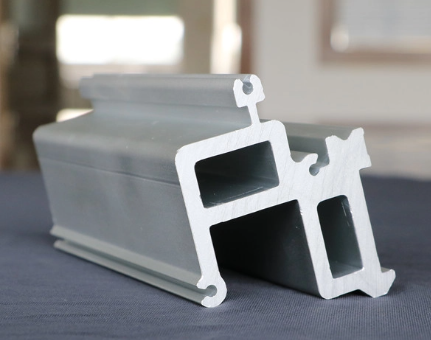
When it comes to choosing the right aluminium extrusions, the first step is understanding the different types available. The choice of aluminium profile largely depends on the intended use and the mechanical properties required.
Standard profiles include shapes such as angles, channels, and beams. These are typically used for structural purposes and can be found in industries like construction, transportation, and manufacturing.
For specialized applications, custom aluminium extrusions are manufactured according to specific dimensions and designs. Custom profiles are ideal for companies requiring unique shapes that aren’t part of the standard range. This includes profiles for aluminium tube extrusions, which are particularly used in industries like healthcare and technology.
These extrusions have a relatively thin wall compared to the cross-sectional area and are often used in lightweight products like electronic casings and automotive components.
These profiles are designed to handle high loads and are typically used in applications such as bridges, heavy machinery, and construction scaffolding.
The profile is one of the most important aspects to consider when selecting aluminium extrusions. The profile affects the material strength, weight, and suitability for various applications. Some of the most common aluminium extrusion profiles include:
Square and Rectangular Bars
T-Slot Profiles
Hollow Tubes
Angles and Channels
Custom Profiles (including aluminium tubes)
A well-designed aluminium extrusion profile will ensure strength, durability, and ease of installation, depending on the intended use.
Aluminium material is available in several different alloys, and the right alloy selection is crucial to meeting the performance requirements of the application. The most common aluminium materials used in extrusion are:
6061 Alloy: Known for its good mechanical properties and weldability, it's commonly used in structural applications.
6063 Alloy: Often used for decorative and architectural extrusions due to its excellent surface finish.
7075 Alloy: High strength but less corrosion-resistant, used in aerospace applications.
2024 Alloy: Used for aircraft and military applications due to its high strength-to-weight ratio.
To make the right choice, you’ll need to assess your project's needs. For example, if you need a lightweight material with high corrosion resistance, 6063 aluminium extrusion profiles might be ideal. However, for aerospace applications requiring high strength, 7075 aluminium extrusions would be a better option.
The process of aluminium profile manufacturing is critical to ensuring the quality and accuracy of the final product. The extrusion process begins with heating aluminium material billets to a specific temperature before they are forced through a die to create the desired profile. The quality of the extrusion is influenced by several factors:
Temperature Control: Proper temperature control ensures the aluminium maintains its strength and resistance to corrosion.
Die Design: The die design determines the precision and finish of the final profile. High-quality die designs reduce the need for secondary finishing processes.
Cooling: After extrusion, the material needs to be cooled properly to maintain its shape and minimize distortion.
If the right controls and standards are followed, manufacturers can ensure the extrusions meet specifications such as ASTM standards for aluminium material.
Sustainability has become a key consideration in many industries, and sustainable aluminium extrusions are now in high demand. Aluminium is highly recyclable, and many manufacturers use recycled aluminium material to produce aluminium extrusions. This not only reduces energy consumption but also contributes to a circular economy.
When choosing aluminium extrusions, you should inquire about the sustainability practices of your supplier. Many leading suppliers use low-carbon manufacturing processes, and some even offer products made entirely from recycled aluminium material.
The surface finish of aluminium extrusions plays a crucial role in both aesthetics and functionality. An extrusion profile’s finish can affect its appearance, corrosion resistance, and even its ability to conduct heat or electricity. Common surface finishes include:
Anodized: This process enhances the natural oxide layer, making the surface more durable and corrosion-resistant.
Powder Coating: Provides a colored finish while also improving durability and corrosion resistance.
Mill Finish: This is the natural finish of an extrusion, which is typically less durable but still effective for many industrial applications.
In the construction and architecture industries, aluminium extrusions are used for structural components, facades, window frames, and doors. The aluminium profile needs to be strong, lightweight, and resistant to corrosion. Sustainability also plays an important role in this sector, with an increasing demand for eco-friendly aluminium extrusions made from recycled materials.
The automotive industry relies on aluminium extrusions to reduce vehicle weight and increase fuel efficiency. Aluminium extrusions are commonly used in chassis, body parts, and engine components due to their lightweight yet strong properties. Custom profiles for aluminium tube extrusions are also commonly used in automotive exhaust systems.
In aerospace, aluminium extrusions are used for parts that require high strength-to-weight ratios and the ability to withstand extreme environmental conditions. Aluminium alloys like 7075 are popular in this sector for their combination of strength and low weight.
Aluminium extrusions are also critical in the technology sector. Their high thermal conductivity makes them ideal for heat sinks in electronic devices. Aluminium profile manufacturing processes ensure that heat dissipation and durability are optimized for long-term use.
In renewable energy, especially solar power, aluminium extrusions are widely used for mounting solar panels. The aluminium profile needs to be lightweight, resistant to environmental elements, and capable of handling the mechanical stresses experienced in outdoor environments.
Aluminium extrusions are lightweight, durable, corrosion-resistant, and versatile. They offer design flexibility and can be used in a wide range of applications from construction to aerospace.
6061 aluminium extrusions are stronger and more versatile, ideal for structural and welding applications. 6063 aluminium extrusions are softer and better for aesthetic applications like window frames and furniture.
For automotive parts, profiles that are strong, lightweight, and corrosion-resistant are typically used. Aluminium tube extrusions are commonly used in exhaust systems, while other profiles are used for body parts and frames.
The aluminium fusion temperature is the temperature at which aluminium material transitions from solid to liquid. For aluminium, this is typically around 660°C (1220°F).
Yes, many manufacturers offer custom aluminium extrusions tailored to specific applications, allowing for flexibility in design and performance.
Aluminium extrusion involves forcing heated metal through a die to create a continuous profile, while aluminium casting involves pouring molten aluminium into a mold to form a specific shape.
Choosing the right aluminium extrusions is vital for ensuring the performance and longevity of your product. By understanding the various types of aluminium profiles, material specifications, manufacturing processes, and the environmental impact, you can make an informed decision. Whether you need aluminium tubes, custom aluminium extrusions, or sustainable solutions, ensuring you choose the right profile for your needs will lead to optimal results.