Tel:+86-512-53640771-125 E-mail: export@alumag.com.cn
- All
- Product Name
- Product Keyword
- Product Model
- Product Summary
- Product Description
- Multi Field Search

Views: 0 Author: Site Editor Publish Time: 2025-11-28 Origin: Site


Why does Magnesium Alloy fail despite its impressive strength and low weight? This hidden weakness shocks many engineers today. Magnesium Alloy powers aerospace, automotive, and electronics innovation. Yet corrosion silently reduces its service life.
In this article, we explore how corrosion starts and spreads. You will learn why surface films fail under real conditions. We discuss triggers, mechanisms, and structural risk factors. You will discover practical strategies to control degradation.
This article explains how Magnesium Alloy corrodes and why this matters for industrial design. It highlights electrochemical processes, environmental drivers, and metallurgical weaknesses. We also explore practical strategies to control degradation and improve lifespan. Later sections connect material science to real applications and product solutions.
Magnesium Alloy corrodes through electron loss and unstable surface films.
Chloride exposure and humidity accelerate degradation risk.
Structural flaws and impurities intensify localized corrosion.
Smart alloy design and coatings extend service life.
ALUMAG solutions improve protection performance.
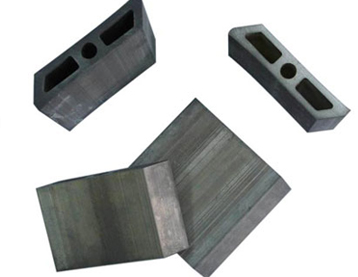
Corrosion starts through an electrochemical redox loop. Magnesium Alloy loses electrons during surface reactions. Oxygen accepts electrons and forms oxide compounds. This reaction weakens the base metal structure. It creates new reactive zones across the surface. They behave as anode sites under moisture exposure. It accelerates metal dissolution and surface breakdown.
Magnesium has low ionisation resistance. It releases electrons under ambient conditions easily. This high reactivity increases corrosion risk. Gold behaves differently due to stable electron shells. Magnesium Alloy responds quickly to environmental triggers.
A thin oxide layer forms after air contact. It appears protective but performs poorly. Neutral environments destroy this barrier fast. Acidic conditions dismantle it even faster. The alloy remains exposed beneath this film.
Hydroxide layers build during moisture reaction. They expand and stress the surface film. Cracks appear due to volume pressure. Fresh metal then gets exposed again. This restarts the corrosion loop continually.
The Pourbaix diagram shows unstable passivity zones. Magnesium Alloy dissolves across wide pH ranges. High pH zones still allow electrolyte penetration. Assumed stability zones prove misleading.
Surface passivation seems weak and temporary. Hydroxide films break in moist air rapidly. They form porous layers allowing ingress. It enables deeper corrosion penetration.
Each rupture exposes new reactive areas. Electrolytes attack surfaces repeatedly. Metal loss becomes progressive and uneven. This cycle explains fast degradation patterns.
Table 1: Corrosion Mechanism Summary
| Mechanism | Key Trigger | Impact on Magnesium Alloy |
|---|---|---|
| Redox Reaction | Oxygen and moisture | Surface oxidation |
| Hydroxide Failure | Moist environment | Repeated metal exposure |
| Passivation Breakdown | Low pH | Accelerated corrosion |
| Electron Loss | Low ionisation energy | Structural weakening |
Chloride ions penetrate surface films easily. They break protective barriers rapidly. Salt spray accelerates galvanic reactions. This risk rises in coastal applications. In industrial marine zones this constant exposure creates micro pits softens protective layers and shortens service life for structural automotive and offshore components requiring frequent inspection and preventive maintenance planning.
Low humidity slows corrosion progress. High humidity sustains moisture films longer. Magnesium Alloy suffers under persistent damping. Dry air prevents extended reactions. Prolonged condensation on surfaces increases electrolyte activity allowing corrosive sequences to continue unnoticed causing gradual weakening and unexpected failure in load bearing Magnesium Alloy parts used outdoors year round conditions.
Acidic fluids dissolve protective hydroxides quickly. Alkaline solutions still permit surface breakdown. Both conditions degrade mechanical integrity. Such chemical instability forces engineers to select resistant coatings controlled pH environments and optimized Magnesium Alloy formulations that improve safety reliability and operational performance across industrial processing and transport systems.
Elevated heat speeds reaction rates. CO₂ environments worsen oxidation progress. Combined stress further accelerates degradation. Thermal cycling combined with polluted atmospheres further intensifies surface stress corrosion depth growth and structural fatigue in sensitive Magnesium Alloy assemblies especially near engines exhaust zones and high load junctions.
Table 2: Environmental Impact Factors
| Factor | Condition | Effect Level |
|---|---|---|
| Humidity | >80% RH | High corrosion rate |
| Chloride | Coastal air | Severe pitting |
| Acidic fluids | Low pH | Rapid breakdown |
| Elevated temperature | >40°C | Accelerated reaction |
Grain boundaries act as energy concentration zones. They attract aggressive ions quickly. This results in localized corrosion spots.
These zones weaken structural balance and encourage rapid material separation leading to micro crack formation reduced load capacity and accelerated surface degradation in high stress Magnesium Alloy components used in dynamic industrial environments.
Magnesium Alloy has hexagonal crystal structure. It supports directional weakness patterns. Corrosion follows crystal alignment paths.
This alignment creates predictable fracture channels that allow corrosive agents to travel deeper into the material reducing fatigue resistance and shortening overall service life under continuous vibration and mechanical strain conditions.
Iron and nickel form micro-cathodes. They intensify electron flow imbalance. Small impurities drive severe pitting.
These reactive sites accelerate anodic dissolution and initiate deep surface cavities which expand over time causing unexpected failures and increased maintenance costs in structural Magnesium Alloy assemblies.
Incorrect heat treatment alters grain structures. It increases micro-void concentration. Mechanical stress worsens surface stability.
Such instability heightens vulnerability to crack propagation causing premature failure and reducing durability especially in applications exposed to load fluctuation and environmental stress cycles.
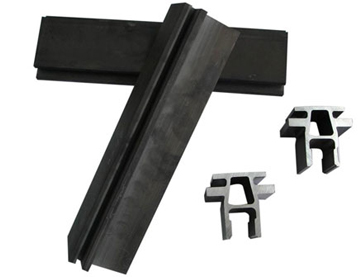
Uniform corrosion spreads evenly. Surface dulling becomes visible. Material thickness reduces gradually.
Over extended periods this slow degradation weakens structural performance and reduces load tolerance requiring scheduled monitoring surface protection and timely intervention to prevent unexpected failure in critical Magnesium Alloy components.
Contact with steel speeds deterioration. Electrolyte presence forms galvanic circuits. Magnesium Alloy sacrifices itself faster.
This interaction creates severe anodic loss leading to rapid thickness reduction joint instability and higher repair frequency especially in fastened assemblies used in automotive marine and heavy equipment environments.
Small pits form localized voids. They evolve into stress cracks. Failure initiates from these weak points.
These micro defects concentrate mechanical stress and enable deeper corrosive penetration ultimately compromising structural integrity and increasing risk of sudden fracture during high load or vibration conditions.
Mechanical stress meets corrosive exposure. It causes brittle fractures. Structural safety declines sharply.
This combined action accelerates crack propagation and material separation reducing operational reliability and posing significant risks in demanding applications requiring consistent mechanical strength and safety assurance.
Magnesium Alloy holds lower electrode potential. It acts as sacrificial anode naturally. ALUMAG engineered alloys reduce this differential risk.
These advanced formulations balance electrochemical behavior and limit rapid metal loss, helping improve joint stability, extend component lifespan, and lower corrosion impact in mixed-metal assemblies used across automotive and industrial structural systems.
Bolted joints become corrosion points. Moisture enters through fastener interfaces. ALUMAG surface-treated fasteners limit moisture ingress.
This protective treatment reduces electrolyte accumulation, slows galvanic activity, and improves long-term durability of load-bearing connections exposed to vibration, temperature shifts, and harsh environmental operating conditions.
Saltwater forms conductive bridges. Electrons move faster across surfaces. ALUMAG insulated joint systems disrupt this flow.
These systems minimize direct metal contact and break electrical continuity, reducing corrosion intensity while enhancing structural reliability in coastal and marine-heavy environments with persistent saline exposure.
Localized thinning reduces load capacity. Cracks propagate near joints first. ALUMAG corrosion-resistant spacers delay failure.
This design support limits pressure concentration, stabilizes structural alignment, and provides a critical safety buffer that improves long-term performance in assemblies subject to mechanical stress and corrosive environmental cycles.
Table 3: Galvanic Risk Control Solutions
| Risk Area | Traditional Impact | ALUMAG Solution |
|---|---|---|
| Fastener joints | High corrosion | PEO-coated ALUMAG bolts |
| Surface contact | Electron transfer | ALUMAG isolation layers |
| Moisture channels | Electrolyte retention | ALUMAG sealing systems |
| Dissimilar metals | Structural weakening | ALUMAG hybrid alloys |
Aluminum improves barrier stability. Zirconium supports corrosion resistance. ALUMAG blends optimize both properties.
This balanced composition enhances mechanical strength reduces reactive vulnerability and supports long-term structural performance especially in components exposed to moisture vibration and chemically aggressive industrial environments requiring stable corrosion control solutions.
PEO coatings create ceramic-like layers. They block electrolyte penetration. ALUMAG PEO treatments extend surface life.
These advanced coatings improve hardness thermal resistance and surface sealing efficiency while reducing maintenance frequency and ensuring durable protection for Magnesium Alloy parts operating under extreme temperature fluctuations and corrosive exposure conditions.
Insulating washers reduce metal contact. Gaskets separate conductive surfaces. ALUMAG modular design supports isolation.
This configuration minimizes galvanic activity improves assembly integrity and enhances system safety by preventing direct electrical pathways across sensitive joint zones in complex multi-material structural frameworks.
Reducing iron content limits corrosion speed. ALUMAG quality control ensures purity consistency.
Strict composition management stabilizes alloy microstructure lowers defect formation and strengthens resistance against aggressive corrosion mechanisms while improving reliability and extending service intervals in high-demand industrial applications.
Predictive models estimate degradation rate. ALUMAG data-driven analytics support precision prediction.
These intelligent tools allow engineers to forecast maintenance cycles optimize inspection timing and reduce unexpected downtime while improving operational efficiency and extending the effective service life of critical Magnesium Alloy components.
Engineers evaluate humidity exposure risk. ALUMAG guidelines match alloy grade to environment.
This structured approach enhances decision accuracy ensuring material selection aligns with real climate conditions reducing corrosion probability and improving reliability for components operating across diverse industrial and outdoor application scenarios.
Automotive demands balance strength and cost. Aerospace requires strict corrosion thresholds. ALUMAG products meet both requirements.
Their solutions provide lightweight durability superior protection and controlled performance allowing manufacturers to achieve safety compliance and cost efficiency without compromising structural integrity or long-term operational stability.
Coatings raise unit costs. They reduce failure repair expenses. ALUMAG lifecycle optimization lowers total spend.
This strategic balance minimizes long term operational losses improves asset value and supports sustainable budgeting by reducing maintenance frequency repair complexity and unexpected replacement requirements for critical structural systems.
Magnesium Alloy corrodes through rapid electrochemical reactions and unstable surface films. Environmental pressure and structural flaws intensify this damage process. Clear knowledge of these pathways supports smarter engineering decisions.
ALUMAG provides advanced protection solutions for Magnesium Alloy applications. Their products enhance durability through optimized alloy design and surface treatment. These features extend component lifespan and reduce maintenance risk. Proper preventive planning improves safety and long-term material reliability. This approach ensures stable performance in demanding industrial environments.
A: Magnesium Alloy corrodes through electrochemical reactions and unstable surface films.
A: Magnesium Alloy has low ionisation energy, so it loses electrons easily.
A: Saltwater, humidity, and acidic conditions speed Magnesium Alloy degradation.
A: Coatings, alloy optimization, and isolation design slow Magnesium Alloy corrosion.
A: Yes, repairs increase cost, but prevention lowers long-term expenses.
A: Magnesium Alloy corrodes faster than aluminum without protection.