Tel:+86-512-53640771-125 E-mail: export@alumag.com.cn
- All
- Product Name
- Product Keyword
- Product Model
- Product Summary
- Product Description
- Multi Field Search

Views: 0 Author: Site Editor Publish Time: 2025-11-21 Origin: Site


Magnesium alloys are revolutionizing industries with their impressive strength-to-weight ratio and recyclability. But why are they becoming a go-to choice in automotive, aerospace, and electronics?
In this article, we'll explore what magnesium alloys are, their unique properties, and why they’re critical in modern engineering. You'll learn about their applications, advantages, challenges, and the factors influencing their growing demand across multiple sectors.
Lightweight and Durable: Magnesium alloys are the lightest structural metals with an excellent strength-to-weight ratio.
Diverse Applications: They are used across automotive, aerospace, electronics, and other industries for lightweight and high-performance components.
Corrosion and Flammability: Magnesium alloys are susceptible to corrosion and are highly flammable, requiring protective coatings and careful handling.
Cost-Effective: Magnesium alloys are often more affordable than alternatives like titanium and offer superior machinability and recyclability.
ALUMAG Products: ALUMAG’s range of magnesium alloy products provides reliable solutions for industries requiring high-strength, lightweight materials with enhanced corrosion resistance.
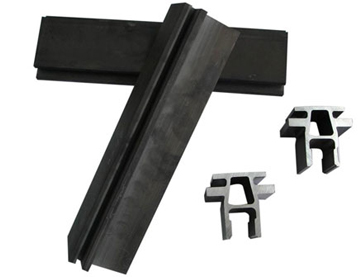
Magnesium alloys are materials made by combining magnesium, the lightest structural metal, with other elements like aluminum, zinc, manganese, and rare earth metals. These alloying elements are added to enhance magnesium's properties, such as strength, corrosion resistance, and heat tolerance. Magnesium alloys are prized for their lightness and strength, making them ideal for applications where weight reduction is critical without sacrificing performance.
Magnesium itself is a silvery-white metal with a density of about 1.74 g/cm³, which is about two-thirds that of aluminum. This makes magnesium alloys significantly lighter than aluminum and steel, offering a distinct advantage in weight-sensitive industries like aerospace, automotive, and electronics.
Magnesium alloys are widely recognized for their strength-to-weight ratio, which is one of the best among all structural metals. In addition to being lightweight, magnesium alloys are highly machinable, making them easy to cast, forge, and extrude. These alloys also exhibit good corrosion resistance, though they are not naturally immune to rust and often require coatings or alloying elements to improve this aspect.
Furthermore, magnesium alloys possess excellent vibration damping properties, which is why they are frequently used in applications that require noise and vibration control, such as in automotive and aerospace components.
Magnesium alloys stand out due to their low density, making them lighter than aluminum and steel. Here’s a breakdown of some important physical properties:
| Property | Magnesium Alloys | Aluminum Alloys | Steel Alloys |
|---|---|---|---|
| Density | 1.7–2.0 g/cm³ | 2.7 g/cm³ | 7.8 g/cm³ |
| Tensile Strength | 280–360 MPa | 150–600 MPa | 400–550 MPa |
| Melting Point | 650°C–700°C | 660°C–700°C | 1370°C–1530°C |
| Thermal Conductivity | 156 W/mK | 160–235 W/mK | 45–60 W/mK |
Magnesium alloys are much lighter than both aluminum and steel, but they offer moderate strength. Their low density is particularly beneficial for applications in industries such as aerospace and automotive, where weight reduction is crucial.
While magnesium alloys offer numerous benefits, they also have certain limitations due to their chemical properties:
Corrosion Sensitivity: Magnesium alloys are highly susceptible to corrosion, especially in environments with high humidity or in contact with salts. This is a significant concern in automotive, aerospace, and marine industries.
Oxidation: Magnesium naturally forms a thin oxide layer when exposed to air, which helps protect it from further oxidation. However, the oxide layer is not thick or durable enough to protect the metal in all environments.
Reactivity: Magnesium is highly reactive, especially in its pure form. This reactivity poses challenges in processing and handling, particularly when magnesium is in powder form.
To combat these issues, magnesium alloys are often alloyed with other metals or coated to improve their performance and longevity.
Aluminum is one of the most common alloying elements used in magnesium alloys. It helps improve the strength, hardness, and corrosion resistance of magnesium alloys. Adding aluminum also enhances the alloy's castability without significantly increasing its density. Typical magnesium alloys contain about 2-9% aluminum by weight. The addition of aluminum makes magnesium alloys stronger and more stable, which is essential for applications requiring high strength and long-lasting durability.
Zinc is another critical element added to magnesium alloys. It helps enhance the creep resistance of magnesium alloys, especially at higher temperatures, making them more stable and durable in demanding applications. Zinc also improves the alloy's fluidity during the casting process, making it easier to form complex shapes. However, zinc can make magnesium alloys more prone to hot cracking if added in excess (typically above 2% by weight).
Rare earth metals, such as yttrium, cerium, and neodymium, are often added to magnesium alloys to improve their high-temperature resistance, strength, and creep resistance. These elements refine the grain structure, which enhances the mechanical properties of the alloy. Rare earth elements are especially useful in aerospace and automotive applications where the material needs to withstand high thermal stress and demanding mechanical conditions.
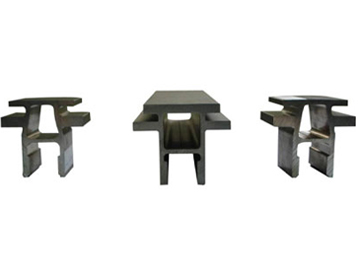
In the automotive industry, reducing vehicle weight is crucial for improving fuel efficiency and reducing emissions. Magnesium alloys are extensively used in the production of engine components, transmission casings, wheels, and structural parts like door frames and dashboards. Their lightweight properties make them a preferred material for performance vehicles and electric vehicles, where weight reduction directly translates into enhanced performance and energy efficiency.
Magnesium alloys also help mitigate vibrations, providing a smoother driving experience by reducing noise and enhancing comfort. In fact, magnesium alloys have been used in motor racing for their superior performance under high-stress conditions.
Magnesium alloys are widely used in the aerospace industry for their strength-to-weight ratio, which is crucial for flight performance. These alloys are found in components such as aircraft frames, engine components, landing gear, and even satellite parts. Magnesium alloys reduce the overall weight of the aircraft, which improves fuel efficiency and increases payload capacity.
In addition to their lightweight properties, magnesium alloys are also used in aerospace applications for their ability to absorb vibrations and provide excellent mechanical properties at both low and high temperatures.
Magnesium alloys are commonly used in the electronics industry due to their lightweight, durability, and ability to provide electromagnetic shielding. Magnesium's excellent machinability makes it ideal for producing thin-walled castings for consumer electronics such as laptops, mobile phones, and cameras. These alloys help reduce the overall weight of devices while maintaining structural integrity, making them more portable and user-friendly.
Furthermore, the ability of magnesium alloys to absorb vibrations is beneficial for protecting sensitive electronics from mechanical shocks.
Magnesium alloys are used in several other sectors, including medical devices, sporting goods, and corrosion protection applications. For instance, magnesium alloys are employed in medical devices like orthopedic implants, as they are biocompatible and biodegradable. Additionally, magnesium is used as a sacrificial anode in corrosion protection for structures such as pipelines and ship hulls.
Magnesium alloys are significantly lighter than both aluminum and steel, making them a valuable material for industries where weight reduction is a priority. Their lightness also contributes to lower fuel consumption and improved performance in automotive and aerospace applications. Magnesium alloys are also cost-effective, particularly when compared to other lightweight metals like titanium.
Magnesium alloys excel in vibration damping, making them ideal for applications that require noise and vibration control, such as in automotive interiors or aerospace components. The alloys' machinability allows for easy shaping, casting, and molding into complex forms, reducing manufacturing costs.
Magnesium alloys are fully recyclable, contributing to their sustainability. As the world increasingly focuses on reducing waste and improving recycling, magnesium alloys offer a sustainable option for industries looking to minimize their environmental impact. The abundance of magnesium in the Earth's crust also ensures a reliable supply of raw material for alloy production.
While magnesium alloys offer numerous advantages, they are prone to corrosion, especially in humid or saline environments. This makes them less suitable for certain outdoor or marine applications unless protective coatings are applied.
Magnesium alloys are highly flammable, particularly in powder or thin-sheet form. Special care must be taken when machining or processing magnesium alloys to avoid fire hazards.
Magnesium alloys are not suitable for high-temperature applications exceeding 200°C, as their mechanical properties degrade at elevated temperatures. For higher temperature applications, specialized alloys, like WE43, offer improved performance.
Given the susceptibility of magnesium alloys to corrosion, surface coatings are essential to enhance their durability. Coatings like anodizing, electroplating, and Plasma Electrolytic Oxidation (PEO) can improve corrosion resistance, wear resistance, and heat resistance, making the alloys more suitable for demanding environments.
| Coating Method | Benefits |
|---|---|
| Anodizing | Increases corrosion resistance and surface durability. |
| Electroplating | Provides metal protection and wear resistance. |
| PEO | Enhances wear, corrosion, and heat resistance. |
When selecting a magnesium alloy, consider factors such as mechanical strength, corrosion resistance, temperature tolerance, and the intended manufacturing process (casting, forging, extrusion, etc.). The application’s specific needs should guide the selection of alloy composition.
Commonly used alloys include:
AZ31: Ideal for automotive and aerospace applications due to its balance of strength, ductility, and corrosion resistance.
AZ91: Frequently used in die-casting applications for its excellent castability and strength.
WE43: A high-performance alloy used in aerospace and military applications where high strength and temperature resistance are critical.
Magnesium alloys are key materials in modern engineering, known for their exceptional strength-to-weight ratios and machinability. They are widely used in automotive, aerospace, and electronics industries where weight reduction and durability are essential. However, challenges such as corrosion, flammability, and temperature limitations require careful alloy selection and protective coatings. As industries demand lighter, high-performance materials, magnesium alloys will remain crucial in driving innovation. Products like those offered by ALUMAG provide excellent solutions, offering lightweight, durable magnesium alloy components that meet these industry needs while enhancing overall performance and sustainability.
A: A magnesium alloy is a metal composed primarily of magnesium combined with other metals like aluminum, zinc, and rare earth elements to enhance strength, corrosion resistance, and other properties.
A: Magnesium alloys are used in these industries for their lightweight nature, which helps improve fuel efficiency and overall performance in vehicles and aircraft.
A: Magnesium alloys are susceptible to corrosion, particularly in humid or salty environments, and often require protective coatings or alloying elements to improve their resistance.
A: Magnesium alloys are lighter than aluminum alloys and offer superior vibration damping, making them ideal for lightweight, high-performance applications. However, aluminum alloys tend to have better corrosion resistance.