Tel:+86-512-53640771-125 E-mail: export@alumag.com.cn
- All
- Product Name
- Product Keyword
- Product Model
- Product Summary
- Product Description
- Multi Field Search

Views: 0 Author: Site Editor Publish Time: 2025-12-05 Origin: Site


Is your sheet metal failing too soon? Wrong Aluminum Material choice raises cost and cracking risk. This guide explores Aluminum Material selection for sheet metal projects. We balance strength, formability, corrosion, and process fit. You will learn how to pick alloys. You will avoid waste and improve performance.
Aluminum Material selection must align alloy grade, temper state, and fabrication method to achieve durability and cost efficiency across sheet metal projects.
Engineers should evaluate environmental exposure, mechanical load, and forming complexity before committing to any Aluminum Material grade.
Over-specifying strength can reduce formability and increase cracking risk, especially in sharp bending operations.
Lifecycle cost evaluation often proves more valuable than focusing only on initial material price.
Integration with suppliers like ALUMAG helps ensure alloy consistency, optimized surface treatment, and reliable batch quality control.

This section translates performance expectations into clear and actionable selection criteria. It explains why every Aluminum Material decision must reflect real usage conditions and processing methods. Each factor contributes to project stability and long-term efficiency. Ignoring any of these variables may compromise structural integrity. Proper evaluation prevents unnecessary delays and quality issues.
Higher-strength tempers such as T6 improve load resistance and stiffness. They perform well in structural frames and load-bearing elements. However, they significantly reduce flexibility during forming. This often increases the risk of micro-cracking during tight-radius bending. Softer Aluminum Material tempers provide safer deformation and smoother bend lines, supporting complex shapes with fewer defects.
Design teams must match strength to actual load requirements. Over-engineering results in higher processing difficulty and increased costs. Balanced selection ensures product integrity without process inefficiency. Smart trade-offs drive optimal structural outcomes.
Environmental exposure strongly affects Aluminum Material durability. Marine conditions introduce salt ions that accelerate surface oxidation. Magnesium-rich alloys naturally resist these corrosive forces. They maintain surface stability in humid and coastal environments. Standard untreated alloys may degrade faster if protection is insufficient.
Surface treatments further enhance corrosion resistance. Coatings and anodizing extend lifecycle performance. These steps reduce maintenance effort and help preserve appearance quality. Selecting corrosion-suitable alloys ensures consistent operational reliability.
Each Aluminum Material reacts differently to fabrication methods. Some alloys crack under bending tension. Others create inconsistent weld pools or weak joint penetration. CNC bending requires moderate hardness levels for stability. Stamping processes perform best on ductile material types. Welding efficiency depends on alloy composition and heat sensitivity.
Material-process mismatch leads to high scrap rates. It also increases tool wear and setup inefficiencies. Proper compatibility improves output quality and production speed. This alignment is fundamental to manufacturing success.
Temper classifications define material hardness and ductility. T6 and similar tempers enhance strength performance. However, they significantly reduce bending tolerance. Annealed conditions allow easier shaping and stress redistribution. These states improve forming safety and surface continuity.
Choosing the correct temper influences both production efficiency and finished part integrity. It controls crack resistance and surface deformation quality. Effective temper selection leads to more reliable processing outcomes. Incorrect choices increase rework probability.
Weight reduction plays a crucial role in transport and energy efficiency. Aluminum Material offers excellent strength-to-weight ratios. Lighter alloys reduce structural loading and foundation requirements. This results in easier handling and faster installation processes.
Engineers must calculate weight impact on system performance. Reduced mass often leads to lower operational cost. Strategic weight optimization improves sustainability metrics. It also enhances overall system mobility.
Material cost does not determine total expense alone. Processing expenses, maintenance needs, and lifecycle performance matter more. Poor alloy selection can generate repeated servicing and premature replacement. These factors exceed initial savings quickly.
Lifecycle evaluation provides better financial clarity. It enables smarter long-term planning and risk reduction. Strategic investment improves system consistency and performance longevity. Proper budgeting supports sustainable growth.
| Selection Factor | Influence Level | Risk If Ignored | Recommended Priority |
|---|---|---|---|
| Formability | High | Cracking | Critical |
| Corrosion | High | Degradation | Essential |
| Strength | Medium | Overdesign | Important |
| Cost | Medium | Budget overruns | Controlled |
| Process Fit | Very High | Scrap rate rise | Mandatory |
Each Aluminum Material belongs to a defined family based on alloy composition. These families determine performance behavior and application suitability. Understanding these categories simplifies the selection logic. It helps prevent misalignment between function and form. This knowledge builds selection accuracy.
Aluminum series classification refers to its primary alloying element. The 1xxx series represents high-purity aluminum. The 5xxx series relies on magnesium for corrosion resistance. The 6xxx series blends magnesium and silicon for balanced performance. The 7xxx series uses zinc for extreme strength enhancement.
These structural variations shape mechanical behavior. They also influence fabrication difficulty and surface stability. Proper classification knowledge ensures application accuracy. Series understanding drives better decision-making.
Copper increases hardness and improves tensile limits. Zinc enhances structural stiffness but reduces formability. Silicon improves casting performance and surface quality. Magnesium lowers density while supporting strength integrity.
Each addition modifies internal grain structure. This alters thermal flow and stress distribution. These changes impact mechanical responses. Understanding alloying behavior improves material predictability.
Choosing by family streamlines selection. High corrosion environments demand 5xxx alloys. Structural loads rely on 6xxx or 7xxx families. Lightweight functional assemblies benefit from 1xxx purity.
This framework reduces trial-and-error usage. It increases process efficiency. Strategic family selection simplifies sourcing and design collaboration. Engineers improve reliability through informed choices.
| Alloy Series | Primary Element | Key Property Focus | Typical Use Case |
|---|---|---|---|
| 1xxx | Pure Aluminum | Conductivity | Electrical Panels |
| 5xxx | Magnesium | Corrosion Resistance | Marine Surfaces |
| 6xxx | Mg + Si | Strength Balance | Structural Frames |
| 7xxx | Zinc | High Strength | Aerospace Parts |
Certain Aluminum Material grades consistently outperform others for specific conditions. These alloys show stable performance across industrial sectors. They offer predictable forming, reliable finish quality, and mechanical consistency. Selection of proven grades enhances production success.
AL5052 H32 supports high ductility and excellent corrosion resistance. It performs reliably in bending operations with minimal cracking risk. It ensures stable surface appearance even after aggressive forming. It functions well in coastal and outdoor environments.
AL6061 T6 offers improved tensile capacity and load-bearing reliability. It supports structural frames and enclosure backbone elements. However, it presents challenges during tight bending operations. Controlled processing and proper tooling become essential.
AL1060 provides superior formability and smooth surface finish. It is ideal for thin decorative coatings and functional casing. It resists corrosion effectively under mild exposure. Its low strength limits structural application.
AL7075 T6 offers aerospace-grade strength and stress tolerance. It withstands extreme mechanical loads with minimal deformation. Its formability remains limited. Welding challenges restrict flexible use.
| Grade | Formability | Strength Level | Corrosion Resistance | Typical Application |
|---|---|---|---|---|
| AL5052 H32 | Excellent | Medium | High | Marine Housing |
| AL6061 T6 | Moderate | High | Moderate | Structural Panels |
| AL1060 | Very High | Low | High | Decorative Sheets |
| AL7075 T6 | Low | Very High | Moderate | Aerospace Frames |
Fabrication methods determine how material behaves during processing. Match between method and alloy improves accuracy. Mismatch increases tool wear and defect frequency. Proper pairing enhances productivity and surface quality.
CNC bending favors materials with balanced ductility. Excessively hard alloys fracture under pressure. AL5052 demonstrates superior bending stability. Rounded die edges reduce stress concentration and deformation risk.
ALUMAG supports this process by offering precision-annealed AL5052 sheets. Their controlled grain flow ensures smooth bend lines. It supports consistent angle output. It enhances structural accuracy.
Stamping operations need uniform elongation. Softer Aluminum Material grades perform best. Excess leverage on rigid alloys causes deformation defects. Proper blank holder force improves output quality.
Aluminum welding requires tightly controlled heat application. Excessive heat causes joint porosity. Lower amperage and surface preparation enhance bonding. 6061 welding benefits from controlled cooling cycles.
Machining needs stable alloy composition and clean edges. Hard alloys offer improved chip formation. Softer materials may require lubricant cooling. Consistent hardness improves surface finish results.
ALUMAG’s machining-ready alloys enhance cutter efficiency. They reduce tool wear and energy output. This boosts productivity. It supports refined surface precision.
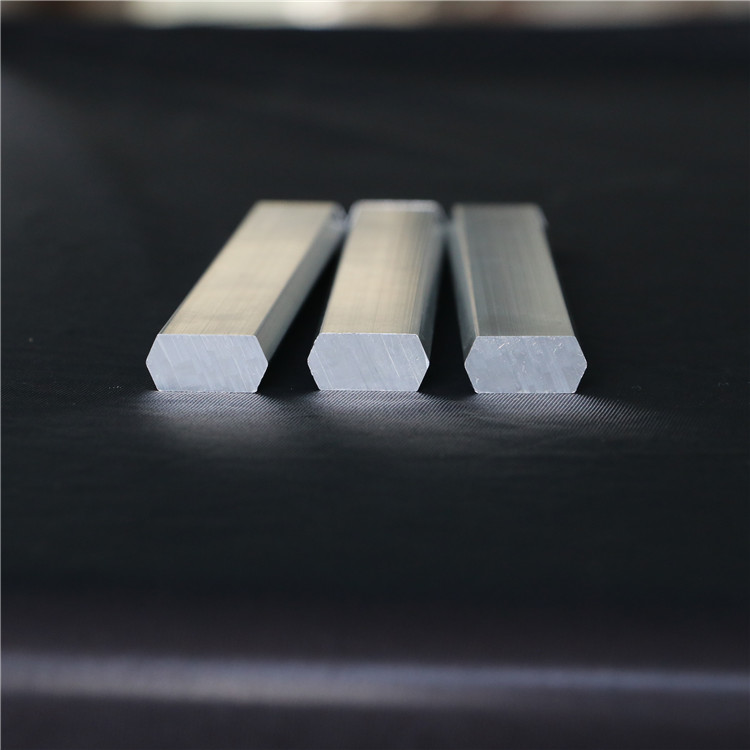
Temper alters alloy physical performance. It controls hardness, ductility, and stress tolerance. Proper temper selection improves both forming safety and strength reliability. It also influences surface integrity and thermal stability.
Annealing softens material and reduces internal stress. It increases bending safety and deformation capacity. Heat treatment increases mechanical strength. It stabilizes internal grain structure.
Each process serves different project goals. Balanced use improves manufacturability. Controlled cycles prevent unpredictable distortion. They enhance quality consistency.
Softer tempers reduce crack initiation risk. They tolerate deformation zones better. Hard tempers resist pressure but fail during sharp stress. Matching temper to geometry improves durability.
ALUMAG precisely controls temper cycles to maintain uniform hardness. This results in consistent production quality. It lowers defect occurrence. Reliability improves significantly.
Simple designs allow harder tempers. Complex curved parts need softer states. Dynamic profiling benefits from moderate balance. Accurate tempering supports design intent.
This prevents premature failure. It maintains structural geometry. Proper temper ensures product endurance. Output consistency remains stable.
| Temper Type | Ductility | Crack Resistance | Typical Use |
|---|---|---|---|
| Annealed | High | Excellent | Curved Panels |
| T5 | Medium | Good | Framing Systems |
| T6 | Low | Moderate | Load Frames |
Each industry demands tailored material characteristics. Application context defines alloy suitability. Accurate alignment improves performance longevity. Strategic application selection reduces lifecycle risk.
Vehicles require lightweight yet strong structures. AL5052 and AL6061 meet industry needs. They reduce weight without compromising durability. These alloys improve energy efficiency and vibration control.
Exterior systems require both aesthetics and durability. AL1060 and AL6063 provide smooth finishes. They support anodizing and decorative coating. These alloys enhance building appearance.
ALUMAG designs panels with superior surface treatment. They preserve color consistency and finish longevity. This benefits architectural quality. It supports premium construction value.
Salt exposure demands superior corrosion resistance. AL5052 performs well in marine frameworks. It resists pitting and oxidation. These alloys extend structural lifespan significantly.
ALUMAG provides marine-grade alloy solutions. They optimize corrosion barriers and protective coatings. It ensures long-term stability. It reduces maintenance frequency.
Electrical systems require conductivity and light weight. AL1060 delivers high conductive performance. It simplifies assembly and reduces load stress. These traits improve energy efficiency.
ALUMAG produces lightweight utility panels with stable current flow. They improve operational reliability. Heat dissipation remains consistent. System efficiency increases overall.
| Industry Sector | Recommended Alloy | Core Benefit |
|---|---|---|
| Automotive | AL6061, AL5052 | Strength Balance |
| Architecture | AL1060, AL6063 | Aesthetic Finish |
| Marine | AL5052 | Corrosion Resistance |
| Electrical | AL1060 | Conductivity |
Selecting the right Aluminum Material improves strength and efficiency. Proper alloy and temper choices reduce failure risks. Balanced processing control protects lifecycle value. Careful planning ensures stable sheet metal performance for demanding projects.
ALUMAG delivers precision alloys with stable quality and advanced treatments. Their products enhance durability and forming accuracy. They support consistent results and reliable service outcomes. This added value strengthens every sheet metal solution.
A: Aluminum Material defines alloy, temper, and formability needs for durable, efficient sheet metal performance.
A: Select Aluminum Material with high ductility, moderate strength, and proven CNC bending compatibility.
A: Aluminum Material temper controls hardness, influencing crack resistance and forming reliability.
A: Aluminum Material premium grades cost more but reduce lifecycle maintenance expenses.
A: Mismatched alloy strength and poor heat control usually cause instability.